
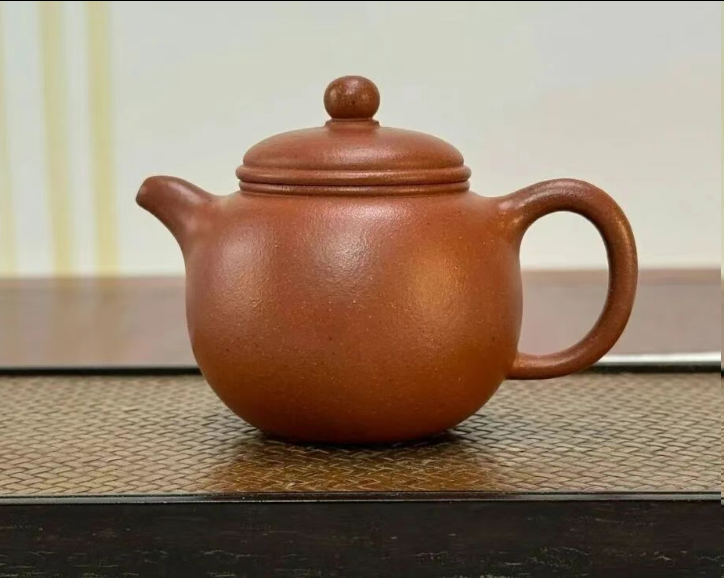
How should a beginner choose their first purple clay teapot?
How to Choose Your First Purple Clay Teapot? 9 Honest Tips to Help You Avoid Pitfalls!

Want to buy a purple clay teapot to start your tea journey, but get confused by clay types, craftsmanship, and artisans’ titles? Don’t worry. Remember these 9 down-to-earth principles, get back to the basics, and easily pick a great teapot you love.
Step 1: Clarify Your Needs
- Decide the capacityWhat kind of tea do you want to brew? How many people usually drink with you? Figure these out first, and you’ll know the right capacity.
- Set a budgetHow much are you willing to spend? Set a clear limit and don’t go over it too much. Remember: You get what you pay for is especially true in the world of purple clay teapots.
Step 2: Master the 9 Key Selection Tips
Tip 1: Keep a Balanced Mindset
Prioritize practicality first; don’t get stuck on clay types or artisans’ titles. Those are things to explore when you’ve advanced your teapot appreciation skills.
Tip 2: Follow Your First Impression
Think about whether there’s a teapot shape you really love—classic ones like the Xishi (Beauty) teapot or Shipiao (Stone Ladle) teapot, for example. If yes, look for exactly that style. If not, just pick one that appeals to you. However, it’s better to opt for plain, unadorned teapots (guanghuo). They help you better observe the changes in the clay as it’s seasoned over time, and without extra decorations, they’re usually more affordable.
Tip 3: Prioritize Timeless Appeal
When a beginner sets eyes on a teapot, don’t rush to buy it. If you have time, go check it out a few more times to make sure you truly like it. Here’s a golden rule: A good teapot has timeless charm—it grows on you more and more each time you look at it. That’s the one you should choose.
Tip 4: Seek Advice from Experts
Got a tea connoisseur friend around? The easiest way is to ask them to help you pick one—or just “borrow” one from them (just kidding!).
Tip 5: Focus on the Essentials, Ignore Trivial Details
Don’t overthink minor details while selecting a teapot. Features like the spout pouring water in a steady stream a foot long without splattering, or the spout never dripping—these are just flashy gimmicks. As long as they don’t affect daily use, they’re good enough.
Let’s talk about the so-called “three-point line” rule (the highest points of the spout, the rim, and the handle should align in a straight line). In my opinion, being roughly aligned is totally fine. After all, these are handcrafted pieces, not precision-machined parts. Perfect alignment is impossible, so it shouldn’t be a major consideration when choosing a teapot.
Tip 6: Feel the Texture
Genuine purple clay has a calm, understated color (not gaudy), with faint visible particles. It feels smooth and delicate to the touch—like bean paste or a baby’s skin—making you want to hold it all the time.
Tip 7: Safety First!
Never tap the lid against the body of the teapot! This is a big no-no. The correct way is: Take off the lid, place it safely aside, and then examine the teapot body at ease.
Tip 8: Don’t Obsess Over Crafting Techniques
Don’t be swayed by how the teapot body is shaped—whether it’s fully handcrafted or mold-made. For beginners, this distinction has little practical meaning; it will only confuse you and cloud your judgment. A teapot catches your eye when it’s placed there, or hidden among a pile of others, not because of its shaping method.

Tip 9: Be Tolerant of Special Shapes
If you choose a square teapot or a ribbed teapot, be more forgiving about the lid’s airtightness. Due to craftsmanship limitations, slight water seepage is normal.