 English




What is the best teapot shape for oolong tea?
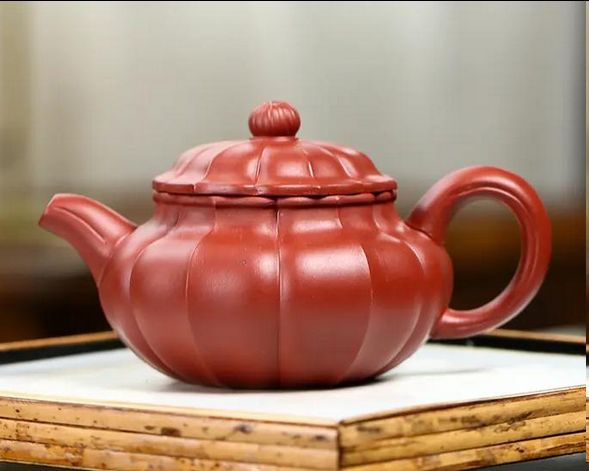
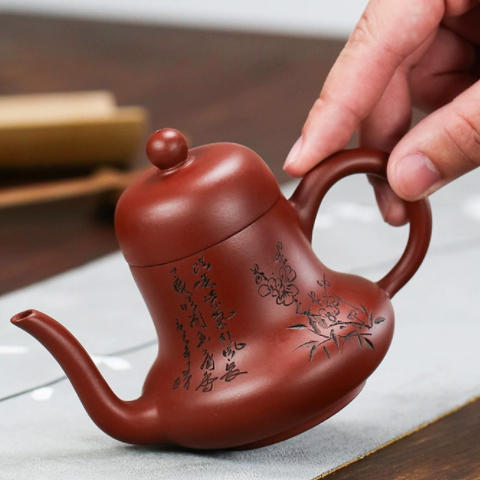
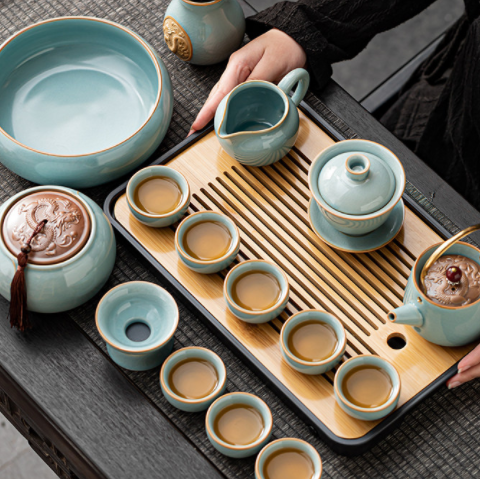
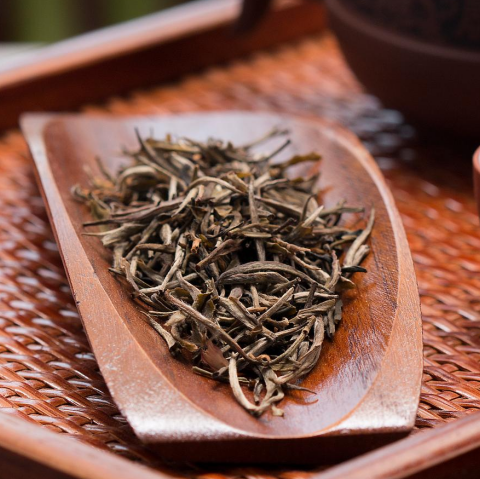
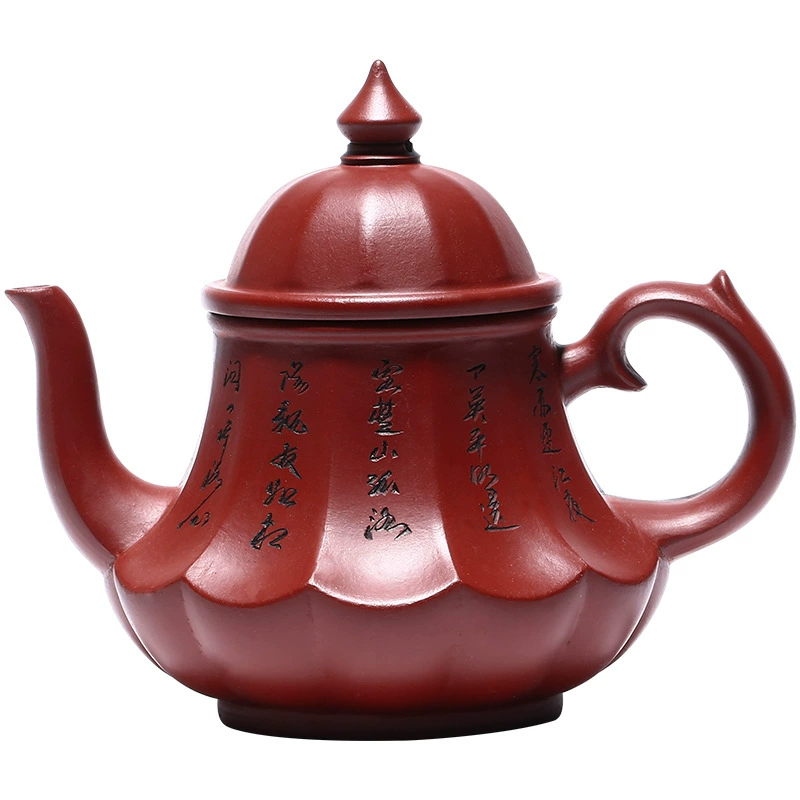
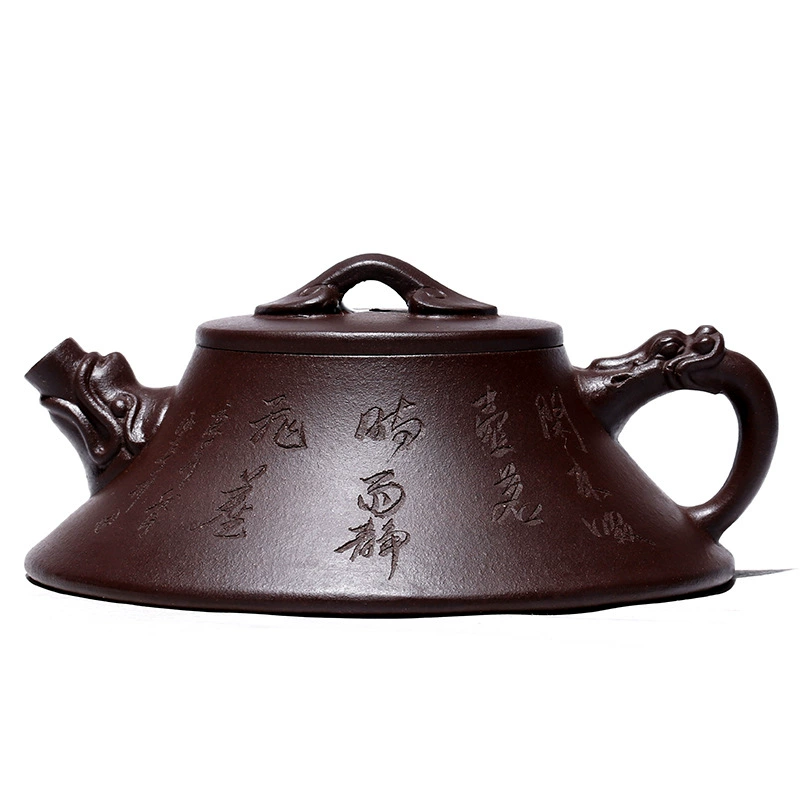
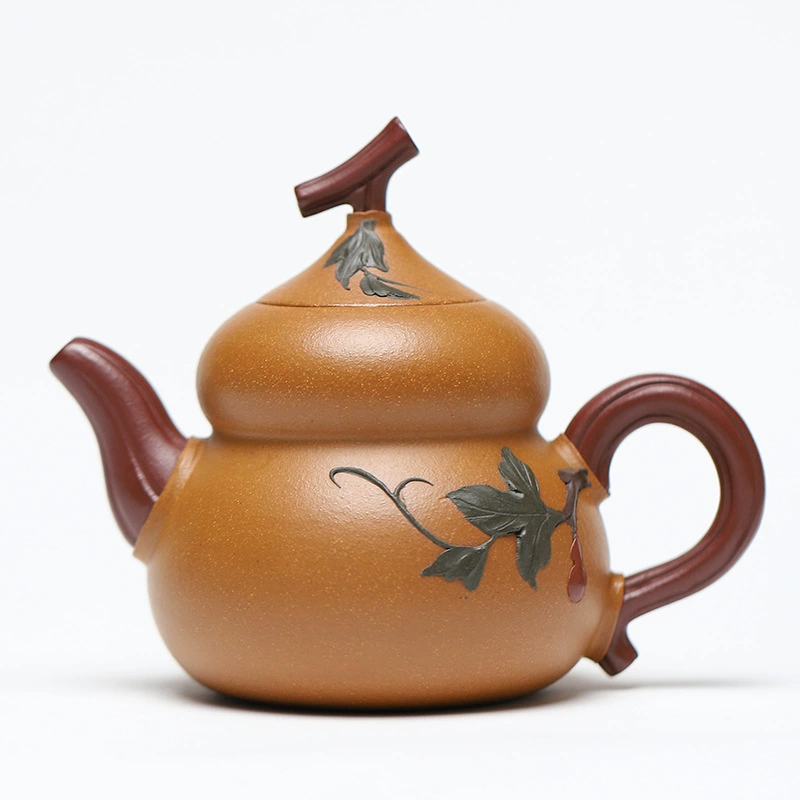
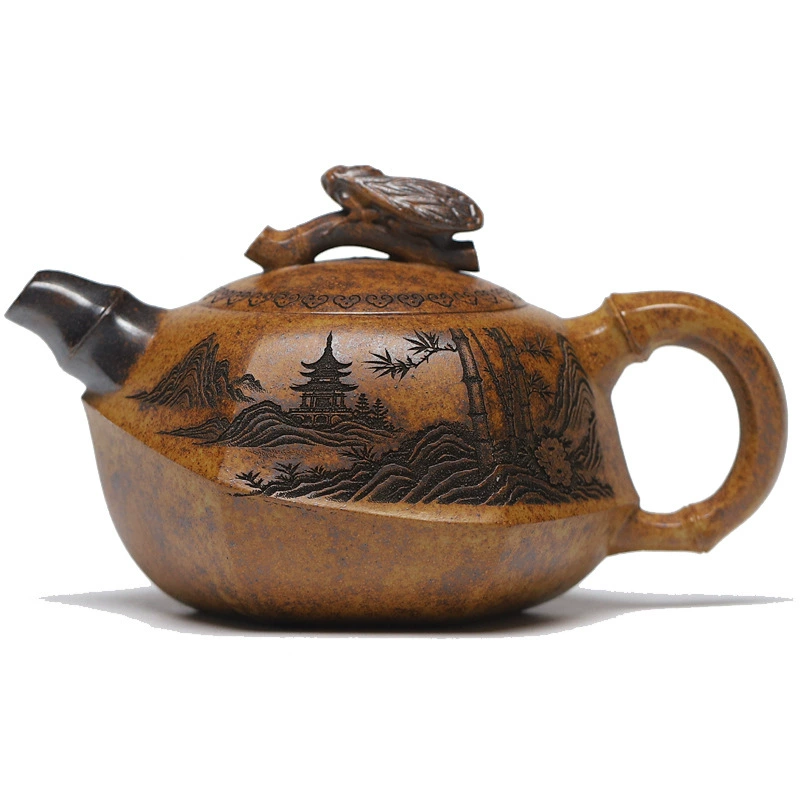
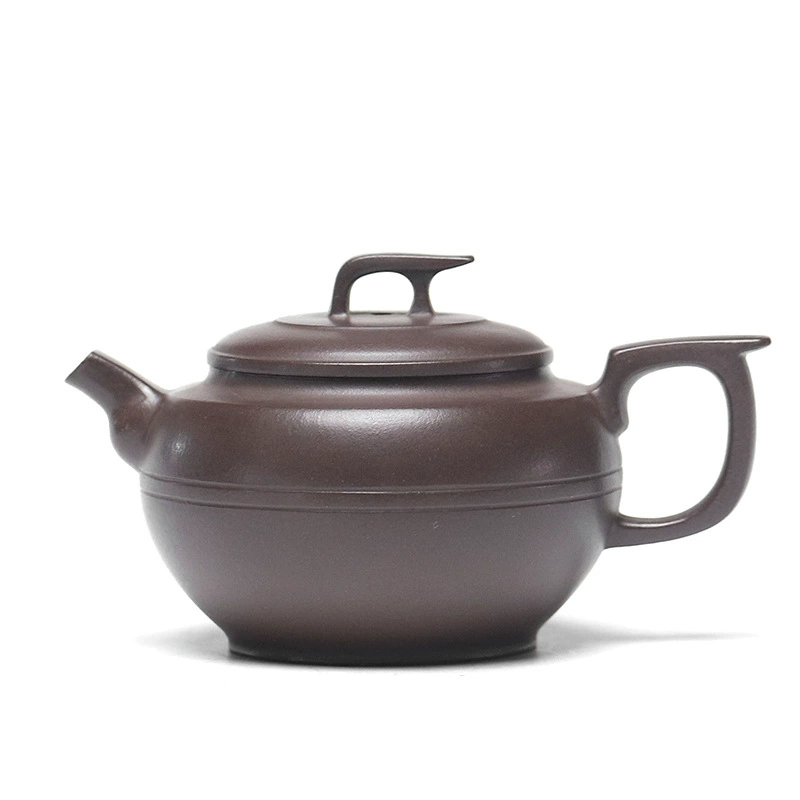
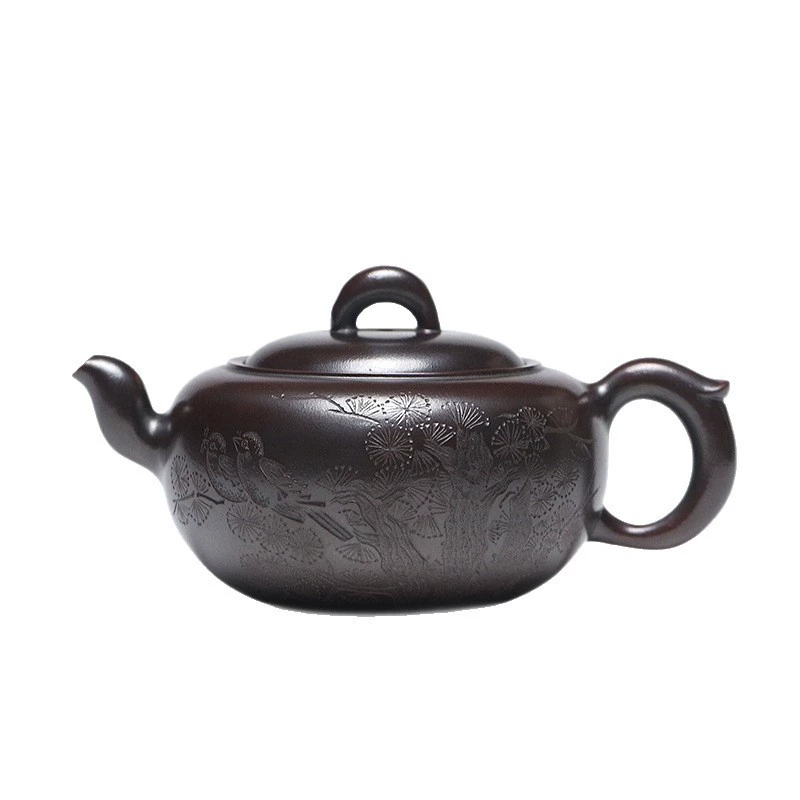
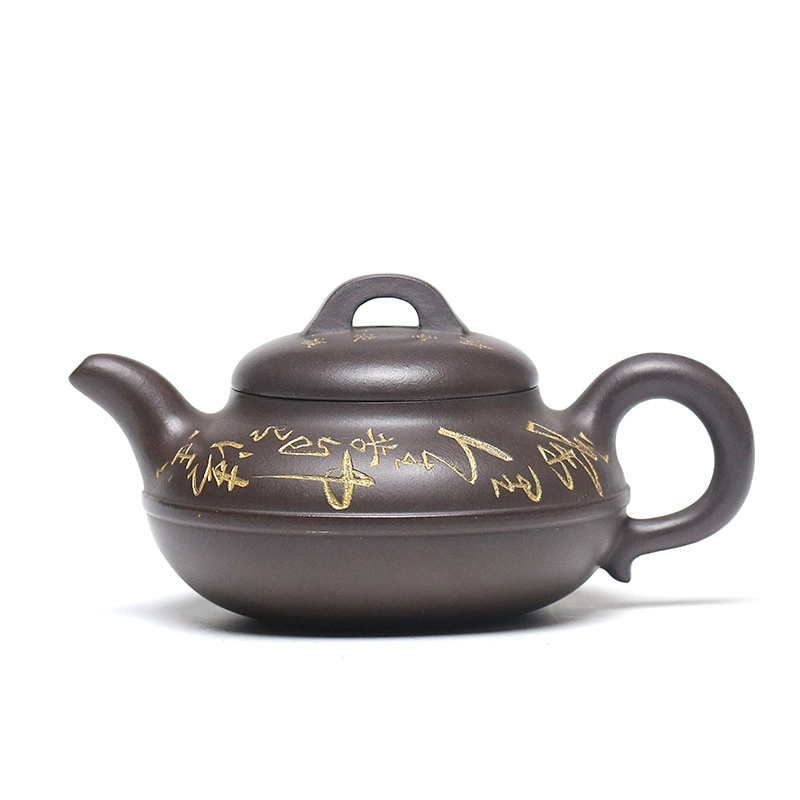
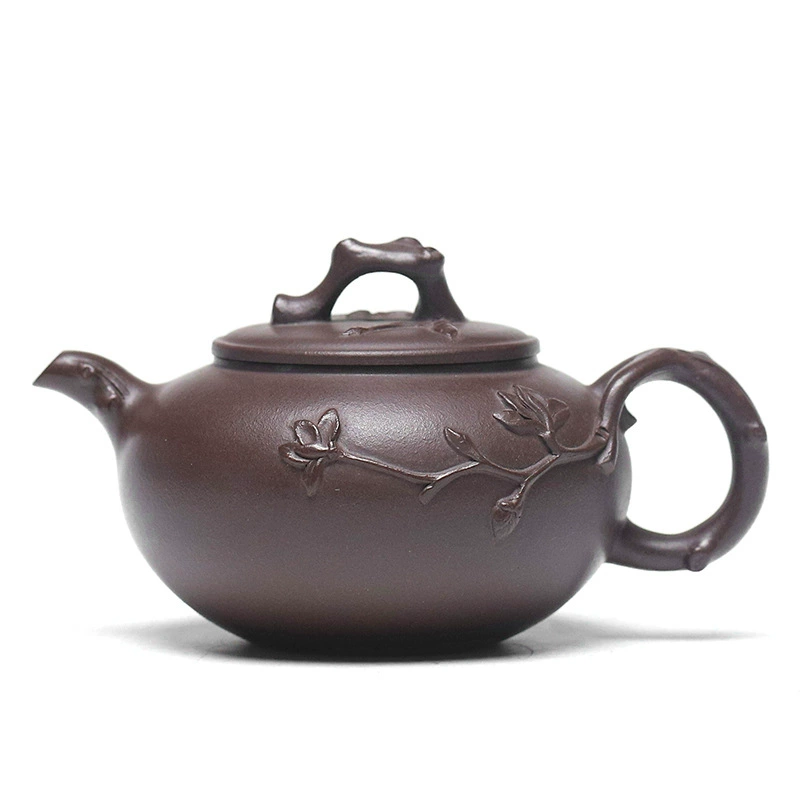
Oolong tea, with its diverse range of flavors—from floral and fresh (like Tieguanyin) to rich and roasted (like Da Hong Pao)—is a favorite among tea enthusiasts. But to unlock its full aroma and taste, the right teapot shape matters just as much as the tea leaves themselves. The question many tea lovers ask is: What is the best teapot shape for oolong tea? The answer depends on the type of oolong you’re brewing, but there are key shapes that consistently excel at enhancing oolong’s unique properties. In this comprehensive guide, we’ll break down the best teapot shapes for oolong tea, explain why they work, and help you choose the perfect one for your brewing style.Why Teapot Shape Matters for Oolong TeaBefore diving into specific shapes, it’s important to understand why teapot design impacts oolong brewing. Oolong tea leaves are typically rolled into tight balls or strips, which need room to “unfurl” (a process called “blooming”) during steeping to release their flavor and aroma. Additionally, oolong teas vary in fermentation degree—light fermentation (10-30%) requires gentle heat retention, while heavy fermentation (60-80%) benefits from more consistent heat. The teapot’s shape dictates three critical factors for oolong brewing:Interior Space: Enough room for tea leaves to expand fully.Heat Retention: Ability to maintain optimal water temperature (175-195°F for most oolongs).Pouring Speed: Controls how quickly the tea is separated from the leaves, preventing over-steeping.The best teapot shapes for oolong tea balance these factors, ensuring that every steep brings out the tea’s best qualities—whether it’s the delicate fragrance of a light oolong or the bold richness of a roasted one.The 5 Best Teapot Shapes for Oolong TeaWhile there are countless teapot shapes, these five stand out as the most effective for brewing oolong tea. We’ll break down each shape’s benefits, ideal oolong pairings, and key considerations.1. Round-Bodied Teapot (Yuan Ping Hu): The All-Rounder for Most OolongsThe round-bodied teapot (also known as “Yuan Ping Hu” in Chinese) is widely regarded as the best all-around shape for oolong tea. Characterized by a spherical or oval body, short straight spout, and a lid that fits tightly, this shape checks all the boxes for oolong brewing.Why it works for oolong: The round shape provides ample interior space for rolled oolong leaves to unfurl fully. The curved walls allow hot water to circulate evenly around the leaves, ensuring consistent steeping. Additionally, the compact body retains heat well—perfect for both light and medium-fermented oolongs. The short spout enables quick, smooth pouring, which is essential for preventing over-steeping (a common issue with delicate oolongs).Ideal oolong pairings: Tieguanyin (Iron Goddess of Mercy), Alishan Oolong, Dong Ding Oolong, and other medium-fermented oolongs. It also works well for lightly roasted oolongs like Da Hong Pao.Key considerations: Opt for a round-bodied teapot with a capacity of 100-150cc for gongfu tea (the traditional way to brew oolong). This size allows for multiple short steeps, which highlight oolong’s layered flavors. A Yixing purple clay round teapot is an excellent choice—its porous clay absorbs subtle tea flavors over time, enhancing future brews.2.扁腹壶 (Bian Fu Hu): Perfect for Light-Fermented OolongsThe 扁腹壶 (Bian Fu Hu), or flat-bodied teapot, features a low, wide body and a slightly longer spout. Unlike the round teapot, its flat shape reduces heat retention—making it ideal for light-fermented oolongs that are sensitive to high temperatures.Why it works for oolong: Light-fermented oolongs (like High Mountain Oolong or Bai Hao Oolong) have delicate, floral flavors that can be easily overpowered by excessive heat. The flat body of this teapot dissipates heat quickly, keeping the water temperature milder and preserving the tea’s fresh, aromatic notes. The wide interior still provides enough space for leaves to unfurl, ensuring full flavor extraction without bitterness.Ideal oolong pairings: High Mountain Oolong (Alishan, Dayuling), Bai Hao Oolong (Oriental Beauty), and other light-fermented (10-20%) oolongs.Key considerations: Choose a flat-bodied teapot with a wide opening—this makes it easy to add and remove tea leaves, and also helps with heat dissipation. Porcelain or Yixing red clay (Hongni) are great material choices for this shape, as they complement light oolongs’ delicate flavors.3. 高身壶 (Gao Shen Hu): Best for Roasted OolongsThe 高身壶 (Gao Shen Hu), or tall-bodied teapot, has a narrow, cylindrical body and a tall spout. This shape is designed for maximum heat retention, making it perfect for heavy-fermented, roasted oolongs that need consistent high temperatures to release their rich flavors.Why it works for oolong: Roasted oolongs (like Da Hong Pao, Shui Xian, or aged Tieguanyin) have deep, earthy flavors and aromas that require prolonged, high-temperature steeping to fully develop. The tall, narrow body of this teapot traps heat effectively, keeping the water hot throughout multiple steeps. The narrow interior also concentrates the tea’s aroma, making each cup more fragrant. The long spout allows for slow, controlled pouring, which is ideal for savoring the intense flavors of roasted oolongs.Ideal oolong pairings: Da Hong Pao (Big Red Robe), Shui Xian (Water Sprite), roasted Tieguanyin, and other heavy-fermented (60-80%) oolongs.Key considerations: A tall-bodied teapot with a capacity of 120-180cc is ideal for roasted oolongs. Yixing purple clay (Zisha) is the best material here—its heat retention and flavor-absorbing properties enhance the roasted notes of the tea. Look for a tight-fitting lid to maximize heat retention.4. 梨形壶 (Li Xing Hu): For Aromatic, Floral OolongsThe 梨形壶 (Li Xing Hu), or pear-shaped teapot, has a rounded bottom that tapers toward the neck, resembling a pear. It features a curved spout and a small lid, making it both elegant and functional for brewing aromatic oolongs.Why it works for oolong: The pear shape’s rounded bottom provides ample space for tea leaves to unfurl, while the tapered neck concentrates the tea’s aroma. This is especially beneficial for floral oolongs, as it traps and amplifies their fragrant notes. The curved spout ensures smooth, drip-free pouring, and the small lid fits tightly to retain just enough heat—balancing aroma preservation and flavor extraction.Ideal oolong pairings: Tieguanyin (Iron Goddess of Mercy), Dong Ding Oolong, and other aromatic, medium-fermented oolongs.Key considerations: Opt for a pear-shaped teapot with a smooth, glazed interior if you prefer to switch between different oolong varieties (glazed surfaces don’t absorb flavor like porous clay). For a more traditional experience, a Yixing clay pear-shaped teapot is excellent for long-term use with a single type of oolong.5. 提梁壶 (Ti Liang Hu): For Sharing and Large-Batch BrewingThe 提梁壶 (Ti Liang Hu), or beam-handled teapot, features a large, arched handle (beam) instead of a side handle. It typically has a round or oval body and a wide opening, making it ideal for brewing oolong tea for multiple people.Why it works for oolong: While most oolong brewing is done with small gongfu teapots, the beam-handled teapot is perfect for sharing with friends or family. Its large body (200-300cc) can hold more tea leaves and water, allowing for larger batches of oolong. The wide opening makes it easy to add and remove leaves, and the beam handle stays cool even when the teapot is hot—preventing burns during pouring. The round body still provides enough space for leaves to unfurl, ensuring consistent flavor across all cups.Ideal oolong pairings: Any medium to heavy-fermented oolongs (like Tieguanyin, Da Hong Pao) that are suitable for larger batches. It’s also great for aged oolongs that benefit from longer steeping.Key considerations: Choose a beam-handled teapot made from thick Yixing clay or porcelain for better heat retention. Look for a sturdy handle that can support the weight of the full teapot—this is especially important for larger sizes.How to Choose the Right Teapot Shape for Your Oolong TeaWith so many great options, how do you pick the perfect teapot shape for your oolong? Follow these three steps to make the right choice:1. Consider Your Oolong TypeStart by identifying the type of oolong you brew most often:Light-fermented (floral, fresh): Choose a flat-bodied teapot (Bian Fu Hu) for mild heat retention.Medium-fermented (aromatic, balanced): Go for a round-bodied (Yuan Ping Hu) or pear-shaped (Li Xing Hu) teapot.Heavy-fermented/roasted (rich, earthy): Opt for a tall-bodied (Gao Shen Hu) teapot for maximum heat retention.2. Think About Your Brewing StyleDo you prefer traditional gongfu tea (small batches, multiple short steeps) or larger batches for sharing? Gongfu tea: Stick to small (100-150cc) round, flat, or pear-shaped teapots.Sharing with others: Choose a beam-handled (Ti Liang Hu) teapot with a 200-300cc capacity.3. Match the Material to the ShapeThe teapot’s material works hand-in-hand with its shape to enhance oolong tea: Yixing clay (purple/red): Best for round, tall, or pear-shaped teapots—ideal for long-term use with a single oolong variety (absorbs flavor).Porcelain: Great for flat-bodied or beam-handled teapots—neutral taste, easy to clean, and perfect for switching between oolong types.Glass: Suitable for any shape if you want to watch the oolong leaves unfurl (but note that glass has poor heat retention, so it’s best for light oolongs).Common Mistakes to Avoid When Choosing a Teapot for OolongTo ensure you get the most out of your oolong tea, avoid these common teapot shape mistakes:Choosing a too-small teapot for rolled oolong leaves: Tight balls of oolong need room to unfurl—too small a teapot will crush the leaves, leading to bitter, unevenly steeped tea.Using a tall-bodied teapot for light oolongs: Excessive heat retention will destroy the delicate floral notes of light-fermented oolongs.Ignoring the spout design: A narrow or curved spout can cause slow pouring, leading to over-steeping. Look for a straight or slightly curved spout for smooth, quick pouring.Choosing a decorative over functional shape: Elaborate, ornate teapots may look beautiful, but they often have poor interior space or heat retention—prioritize function over form for oolong brewing.Final Thoughts: The Best Teapot Shape for Oolong TeaWhile the round-bodied teapot (Yuan Ping Hu) is the most versatile choice for most oolong teas, the “best” shape ultimately depends on your favorite oolong type and brewing style. Light oolongs thrive in flat-bodied teapots, roasted oolongs shine in tall-bodied ones, and aromatic medium oolongs excel in round or pear-shaped teapots. By matching the teapot’s shape, size, and material to your oolong, you’ll unlock the full flavor and aroma of this beloved tea.Ready to find the perfect teapot for your oolong tea? Explore our collection of handcrafted Yixing teapots—including round, flat, tall, and pear-shaped designs—all shipped directly from our physical tea house in Xi’an, China. Each teapot is crafted with authentic materials and designed for optimal oolong brewing, so you can enjoy the perfect cup every time.
Read more