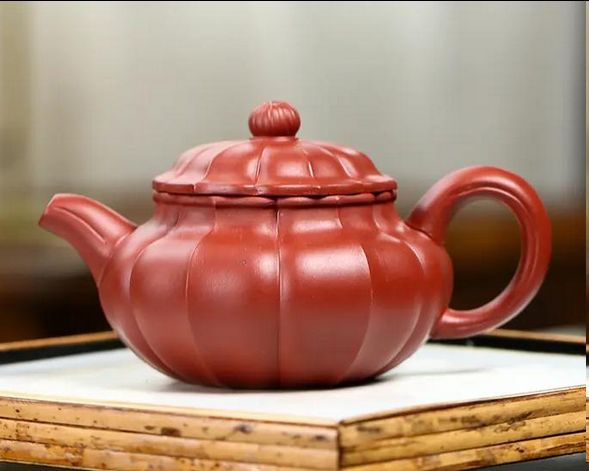
If you’re new to the world of gongfu tea and traditional Chinese tea ware, you’ve likely heard of Yixing teapots. Renowned for their unique purple clay material, exquisite craftsmanship, and ability to enhance tea flavor, these teapots have become a symbol of tea culture. But a common question lingers for beginners: Are Yixing teapots good for beginners? The short answer isyes—but only if you choose the right one and understand the basics of using and caring for it. In this comprehensive guide, we’ll break down why Yixing teapots are suitable for new tea enthusiasts, what to look for when buying your first one, and how to start your Yixing teapot journey with confidence.
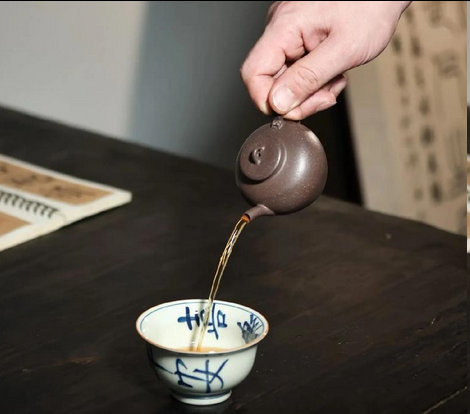
Why Yixing Teapots Are Great for Beginners
Many beginners worry that Yixing teapots are too “high-maintenance” or “specialized” for someone just starting out. However, their unique properties actually make them an excellent choice for those learning the ropes of tea brewing. Here are the key reasons:
1. Forgiving Brewing Experience
Yixing purple clay (Zisha clay) is porous, which means it absorbs small amounts of tea essence over time—this is what gives seasoned Yixing teapots their “memory” for flavor. But for beginners, this porosity also makes the teapot more forgiving. Unlike glass or porcelain teapots, which conduct heat quickly and require precise temperature control, Yixing clay retains heat evenly and buffers temperature fluctuations. This means you won’t ruin your tea as easily if your water is slightly too hot or you steep the leaves a bit too long. It’s a great way to practice brewing without the stress of perfect precision.
2. Enhances Tea Flavor (Even for Basic Teas)
One of the biggest joys of using a Yixing teapot is how it elevates the taste of tea. The porous clay filters out impurities and softens the water, making even affordable, beginner-friendly teas (like basic oolong, black tea, or green tea) taste smoother and more aromatic. You don’t need to invest in high-end tea leaves to appreciate the difference—your everyday brew will feel more special, which helps keep you motivated to continue exploring tea culture.
3. Durable and Long-Lasting
Yixing purple clay is a naturally hard, dense material that’s resistant to chipping and cracking (when cared for properly). Unlike fragile glass teapots or thin porcelain, a good Yixing teapot can last for years—even decades—with regular use. This makes it a worthwhile investment for beginners who want a tea ware piece that will grow with them as their tea skills improve. You won’t need to replace it as you move from a novice to a more experienced tea drinker.
4. Simple to Clean and Maintain
Contrary to popular myth, Yixing teapots don’t require overly complicated care. For beginners, the basic cleaning routine is straightforward: rinse the teapot with hot water after each use, let it air dry completely, and avoid using soap (which can seep into the pores and ruin the clay’s flavor-absorbing properties). There’s no need for special cleaners or elaborate seasoning rituals when you’re just starting out—simple, consistent care is all it takes to keep your teapot in good condition.
What to Look for When Buying Your First Yixing Teapot (Beginner-Friendly Tips)
While Yixing teapots are great for beginners, not all models are created equal. To avoid frustration, focus on these key factors when choosing your first one:
1. Size: Opt for Small to Medium (100-150cc)
For beginners, a small to medium-sized Yixing teapot (100-150cc) is ideal. This size is perfect for gongfu tea sessions (which typically use small servings) and easy to handle. Larger teapots (over 200cc) can be cumbersome for new users and require more tea leaves to brew properly, which can be wasteful if you’re still experimenting with ratios.
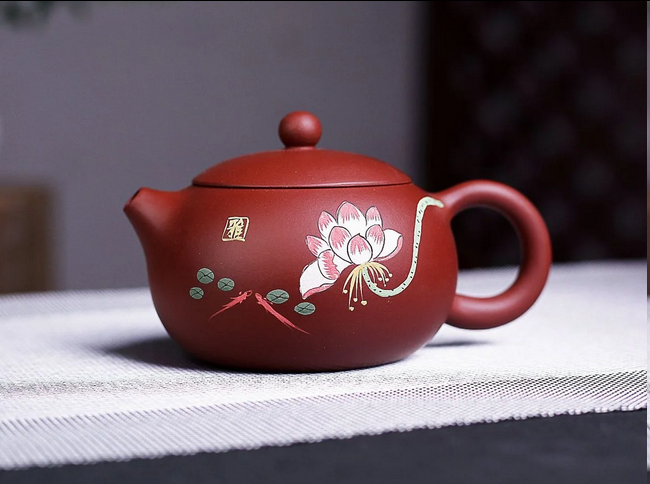
2. Clay Type: Basic Purple Clay (Zisha) or Red Clay (Hongni)
Stick to basic Yixing clays for your first teapot. Purple clay (Zisha) is the most versatile—it works well with almost all tea types, from oolong to black tea to pu’er. Red clay (Hongni) is another good option; it has slightly higher porosity and is great for lighter teas like green tea or white tea. Avoid rare or specialized clays (like Duanni or Zhuni) as a beginner—they’re more expensive and require more careful handling.
3. Shape: Simple and Functional
Choose a teapot with a simple, classic shape (like a Round Pot, Flat Bottom Pot, or Small Mouth Pot) rather than intricate, decorative designs. Simple shapes are easier to clean, pour smoothly, and are less likely to have design flaws that affect brewing. Avoid teapots with narrow spouts or complicated lids—these can be tricky to use and may cause spills.
4. Price: Budget-Friendly (Under $100)
You don’t need to spend a fortune on your first Yixing teapot. There are plenty of high-quality, beginner-friendly options available for under $100. These teapots are typically handcrafted by skilled artisans (not mass-produced) and offer all the benefits of Yixing clay without the premium price tag. Save the expensive, collectible teapots for when you’ve gained more experience.
5. Authenticity: Buy from Reputable Sellers
As a beginner, it’s crucial to buy your Yixing teapot from a reputable seller (like our physical tea house in Xi’an, China) to ensure authenticity. Fake Yixing teapots (made with inferior clay or chemicals) can be harmful and won’t provide the same brewing experience. Look for sellers who provide detailed information about the clay source, craftsmanship, and shipping (all our Yixing teapots are shipped directly from our Xi’an tea house, ensuring genuine quality).
Beginner’s Guide to Using Your First Yixing Teapot
Once you’ve chosen your Yixing teapot, using it is simple. Follow these basic steps to get started:
First Use: Rinse and Season Lightly – Before your first brew, rinse the teapot with hot water 2-3 times to remove any dust or residue from production. You can also steep a small amount of your chosen tea for 1-2 minutes, then discard the tea—this helps “awaken” the clay and prepare it for flavor absorption.
Brewing: Use the Right Tea-to-Water Ratio – For a 100-150cc teapot, use 3-5 grams of tea leaves (adjust based on your taste). Heat water to the appropriate temperature (175-195°F for oolong/black tea, 160-175°F for green/white tea), pour over the leaves, and steep for 20-30 seconds for the first brew. Subsequent brews can be 5-10 seconds longer.
Cleaning: Rinse and Air Dry – After brewing, empty the teapot and rinse thoroughly with hot water. Use a soft brush if needed to remove any leftover tea leaves. Let the teapot air dry completely (with the lid off) before storing it. Never use soap or harsh cleaners.
Common Myths About Yixing Teapots for Beginners (Debunked)
Let’s clear up some common misconceptions that might be holding you back from trying a Yixing teapot:
Myth 1: Yixing teapots are only for experts.
Fact: While experienced tea drinkers appreciate Yixing teapots for their advanced properties, their forgiving nature and simple care make them perfect for beginners. You don’t need to be a tea master to enjoy using one.
Myth 2: You can only brew one type of tea in a Yixing teapot.
Fact: It’s true that seasoned Yixing teapots “memorize” flavor, so it’s best to stick to one tea type long-term. But as a beginner, you can experiment with different teas until you find your favorite—this won’t damage the teapot, and it’s a great way to learn about how the clay interacts with different flavors.
Myth 3: Yixing teapots are too fragile.
Fact: Yixing purple clay is surprisingly durable. As long as you avoid dropping it or exposing it to extreme temperature changes (like pouring cold water into a hot teapot), it will hold up well to regular use.
Final Thoughts: Should Beginners Buy a Yixing Teapot?
Absolutely. Yixing teapots offer a unique, rewarding brewing experience that helps beginners connect with tea culture while honing their skills. They’re forgiving, durable, and enhance the flavor of even basic teas—all qualities that make them a great investment for new tea enthusiasts. By choosing a small, simple, budget-friendly model from a reputable seller (like our Xi’an-based tea house), you can start your Yixing teapot journey with confidence.
Ready to find your first Yixing teapot? Explore our collection of beginner-friendly Yixing teapots, all shipped directly from our physical tea house in Xi’an, China. Each teapot is crafted with authentic purple clay and designed for ease of use, so you can enjoy the perfect cup of gongfu tea from day one.
 English