 English
How can you tell if a Yixing teapot is real?
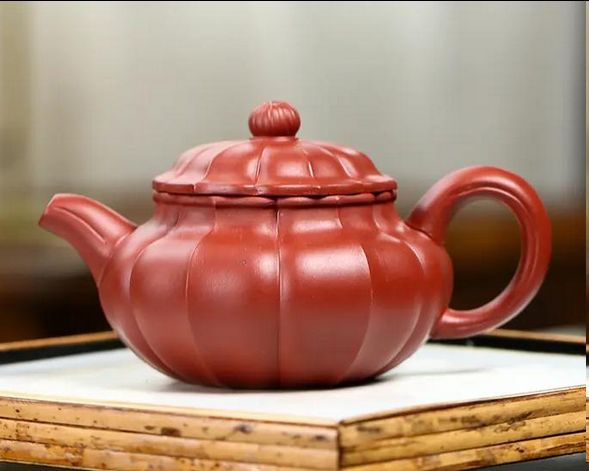
Yixing teapots, crafted from rare purple clay (Zisha clay) in China’s Jiangsu Province, are beloved by tea enthusiasts worldwide for their unique flavor-enhancing properties and exquisite craftsmanship. But with their rising popularity comes a flood of fake Yixing teapots—mass-produced imitations made with inferior materials, chemicals, or low-quality clay that fail to deliver the authentic experience (and may even be harmful). If you’re looking to invest in a Yixing teapot, the most critical question is: How to tell if a Yixing teapot is real? In this comprehensive guide, we’ll share 7 expert-backed tips to help you spot authentic Yixing teapots from fakes, plus essential advice on where to buy genuine pieces with confidence.
Why Authenticity Matters for Yixing Teapots
Before diving into the鉴别 tips, it’s important to understand why authenticity matters. Authentic Yixing teapots are made from natural purple clay (Zisha), red clay (Hongni), or green clay (Luni) sourced exclusively from the Yixing region. This clay is porous, heat-resistant, and absorbs tea essence over time—creating a “flavor memory” that makes each brew more aromatic and smooth. Fake Yixing teapots, by contrast, are often made with ordinary clay mixed with dyes, chemicals, or even industrial waste. They don’t have the same porous structure, won’t enhance tea flavor, and may leach harmful substances into your tea. Additionally, genuine Yixing teapots are handcrafted by skilled artisans, making them unique pieces of art—while fakes are mass-produced in factories, lacking the craftsmanship and durability of authentic ones.
7 Expert Tips to Tell If a Yixing Teapot Is Real
Spotting an authentic Yixing teapot isn’t as difficult as it seems—you just need to know what to look for. Here are 7 key signs to check:
1. Check the Clay Texture: Natural, Porous, and Matty
The most defining feature of an authentic Yixing teapot is its clay texture. Real Yixing clay has a natural, slightly rough, and matty surface—never overly smooth or shiny. When you run your fingers over the teapot, you should feel a subtle “grainy” texture, like fine sand mixed with clay. This is because Yixing clay is made from crushed natural ore, which retains small mineral particles.
Fakes, on the other hand, often have a smooth, glossy surface. Manufacturers use polished clay, dyes, or wax to mimic the look of real Yixing clay, but the texture will feel artificial. Another test: Sprinkle a few drops of water on the teapot. Authentic Yixing clay will absorb the water quickly (thanks to its porosity), leaving a dark wet spot. Fake clay (which is non-porous) will let the water bead up on the surface, not absorb it.
2. Examine the Color: Natural Hues, Not Bright or Uniform
Authentic Yixing clay comes in natural hues—deep purples, earthy reds, muted browns, and soft greens. The color is never overly bright, neon, or perfectly uniform. Because the clay is natural, there may be subtle variations in color across the teapot (e.g., lighter spots near the spout, darker areas on the body). This is a sign of genuine handcrafted clay.
Fake Yixing teapots often use bright, artificial dyes to attract buyers. Look out for teapots with neon purple, vivid red, or unnatural green colors—these are almost always fake. Additionally, fakes have a uniform color with no variations, as the dye is mixed evenly into the clay. Another red flag: The color fades or rubs off when you wipe the teapot with a damp cloth (authentic Yixing clay’s color is permanent).
3. Inspect the Craftsmanship: Handmade Details, Smooth Seams
All authentic Yixing teapots are handcrafted (not machine-made). This means you’ll see subtle, unique details that mass-produced fakes lack. Start by checking the lid: The lid of a real Yixing teapot should fit perfectly—when you place it on the teapot and lift it by the knob, the body should follow (no gaps or wobbling). This is a sign of precise handcrafting.
Next, look at the spout and handle. The spout should be straight, smooth, and seamlessly attached to the body—no visible glue or rough edges. The handle should be ergonomically shaped, with a natural curve that’s comfortable to hold. Fakes often have lopsided spouts, poorly attached handles, or visible seams (from being mold-cast). Also, check the inside of the teapot: Authentic Yixing teapots have a rough, unglazed interior (the clay’s porosity is key for flavor absorption). Fakes may have a glazed interior (to hide low-quality clay) or a smooth, artificial-looking surface.
4. Test the Pouring: Smooth, Drip-Free Flow
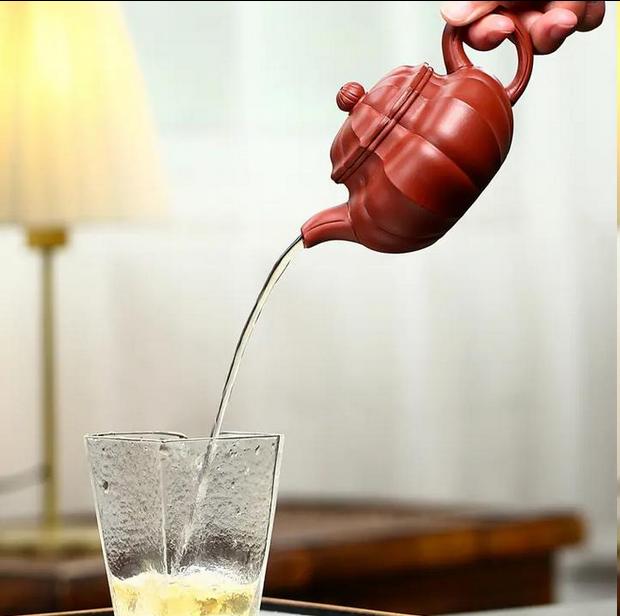
A well-crafted authentic Yixing teapot pours smoothly and evenly, with no drips. Fill the teapot with water and pour it into a cup—you should see a steady, thin stream of water. When you stop pouring, there should be no leftover water dripping from the spout. This is because artisans spend hours shaping the spout to ensure optimal flow.
Fakes, by contrast, often pour unevenly or drip. Mold-cast spouts are rarely shaped correctly, leading to messy pours. If the teapot drips excessively or the water stream is choppy, it’s likely a fake.
5. Check for Artisan Marks: Unique, Hand-Carved Signatures
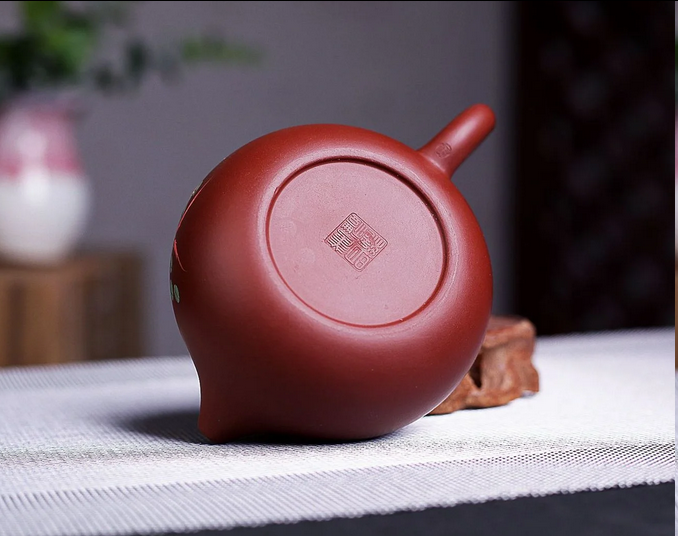
Most authentic Yixing teapots have a hand-carved signature (or “mark”) from the artisan on the bottom. These marks are unique to each artisan—they may be Chinese characters, a logo, or a combination of both. The signature should be clear, but not perfectly uniform (since it’s hand-carved). You may also find a mark on the inside of the lid or the handle.
Fakes often have printed or stamped marks that are identical across multiple teapots. The print will be fuzzy, uneven, or smudged (a sign of mass production). If you see the same exact mark on dozens of teapots from the same seller, they’re almost certainly fake. For beginners, researching reputable Yixing artisans’ marks can help—but the key is to look for hand-carved (not printed) details.
6. Smell the Teapot: No Chemical Odors
Authentic Yixing clay has a natural, earthy smell—like damp soil or clay. When you heat the teapot (or pour hot water into it), there should be no chemical odors, plastic smells, or artificial fragrances. This is because the clay is 100% natural, with no added chemicals or dyes.
Fakes, however, often emit a strong chemical smell when heated. This is a major red flag—these teapots are made with low-quality clay mixed with dyes, plastics, or other harmful substances. If a Yixing teapot smells like paint, plastic, or chemicals, do not buy it.
7. Verify the Source: Buy from Reputable Sellers
Perhaps the easiest way to ensure you’re getting an authentic Yixing teapot is to buy from a reputable seller. Avoid random online marketplaces, cheap e-commerce sites, or sellers who offer “Yixing teapots” for under $20—these are almost always fakes. Instead, choose sellers who:
- Provide detailed information about the clay source (e.g., “authentic Yixing purple clay from Dingshan Mine”);
- Share photos of the artisan, craftsmanship process, or physical store;
- Offer transparent shipping information (authentic Yixing teapots from China should ship directly from the source, not a third-party warehouse);
- Have positive customer reviews (look for reviews that mention authenticity, quality, and brewing experience).
Our physical tea house in Xi’an, China, sources all our Yixing teapots directly from skilled artisans in the Yixing region. Each teapot comes with detailed information about the clay, artisan, and craftsmanship—and we ship directly from our tea house to ensure genuine quality. We also offer a 30-day return policy, so you can buy with confidence.
Common Mistakes to Avoid When Buying Yixing Teapots
Even with the above tips, beginners often make mistakes when buying Yixing teapots. Here are the most common ones to avoid:
Mistake 1: Choosing the Cheapest Option
Authentic Yixing teapots require high-quality clay and skilled craftsmanship—they can’t be made cheaply. A real Yixing teapot will cost at least $50 (for beginner models) and go up from there. If a “Yixing teapot” is priced under $20, it’s almost certainly a fake.
Mistake 2: Falling for “Too Good to Be True” Claims
Sellers of fake Yixing teapots often make exaggerated claims—“100% authentic Yixing clay,” “handcrafted by master artisans,” “limited edition”—at rock-bottom prices. If a deal seems too good to be true, it probably is.
Mistake 3: Ignoring the Seller’s Reputation
Don’t buy from sellers with no reviews, vague product descriptions, or no information about their location. Reputable sellers are transparent about their products and happy to answer questions about authenticity.
Mistake 4: Focusing Only on Aesthetics
While authentic Yixing teapots are beautiful, their value lies in the clay and craftsmanship—not just their appearance. Don’t be fooled by a teapot with elaborate decorations (fakes often use flashy designs to hide low-quality clay). Focus on the texture, color, and pouring performance instead.
Final Thoughts: Investing in an Authentic Yixing Teapot
Learning how to tell if a Yixing teapot is real takes time and practice—but with these 7 expert tips, you can avoid fakes and invest in a genuine piece that will enhance your tea experience for years to come. Remember: Authentic Yixing teapots have a natural texture, muted colors, precise craftsmanship, smooth pouring, hand-carved marks, no chemical odors, and come from reputable sellers.
If you’re ready to buy your first authentic Yixing teapot, explore our collection. All our teapots are sourced directly from Yixing artisans, crafted with natural purple clay, and shipped from our physical tea house in Xi’an, China. We’re committed to providing genuine, high-quality Yixing teapots for tea enthusiasts worldwide—with no fakes, no compromises, and transparent service.