
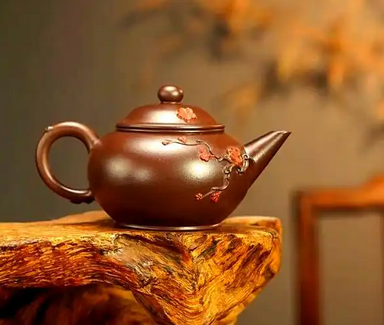
how to maintain yixing tea pots
How to Season and Maintain a Yixing Purple Clay Teapot
As an integral part of traditional Chinese tea culture, Yixing purple clay teapots are world-renowned for their unique material composition, exquisite craftsmanship, and profound cultural connotations. Proper seasoning and maintenance of a Yixing teapot are crucial to unlocking its optimal tea-brewing performance and extending its service life. This guide details the step-by-step methods for seasoning and caring for your Yixing purple clay teapot.
The Seasoning Process for a New Yixing TeapotSeasoning refers to a series of preparatory steps taken before using a newly purchased Yixing teapot. Its purpose is to eliminate residual clay odors, enhance the teapot’s breathability, and optimize it for brewing tea.
Clean the Teapot: First, rinse the new teapot thoroughly with clean water to remove dust from both the interior and exterior. Do not use any detergents at this stage to avoid chemical residue.
Soak the Teapot: Submerge the cleaned teapot completely in room-temperature water. Let it soak for 24 hours; this helps further draw out any lingering clay smells.
Boil with Tea Leaves to Infuse Aroma: Place the soaked teapot in a large pot and fill it with enough water to cover the teapot entirely. Add a few clean tea leaves (the type can be chosen based on personal preference). Bring the water to a gentle boil over low heat, then maintain a simmer for 1–2 hours to allow the teapot to fully absorb the tea’s fragrance.
Cool and Air Dry: After boiling, turn off the heat and let the teapot cool down naturally to room temperature along with the water. Remove the teapot and place it in a well-ventilated area to air dry completely.
Once these steps are completed, your new Yixing teapot is seasoned and ready for use.
Daily Maintenance of Yixing Teapots
Maintaining an Yixing teapot is a gradual, long-term process. Correct care will gradually enhance the teapot’s color and luster, improve the flavor of brewed tea, and extend its lifespan.
    Clean After Each Use: After brewing tea, promptly discard the used tea leaves and rinse the teapot thoroughly with clean water to ensure no residue remains inside or out. Then, gently wipe the surface with a soft cloth or sponge to remove water spots.
    Keep in a Well-Ventilated Area: Store the cleaned and dried teapot in a dry, airy place. Avoid sealing it in an airtight container, as this can cause moisture buildup, damage the teapot, and affect its performance.
    Regularly Enhance with Tea Liquor: Periodically wipe the teapot’s surface with cooled tea liquor to boost its luster and infuse it with a lasting tea aroma. Soak a soft cloth or sponge in the tea liquor, gently wipe the teapot, then rinse with clean water and air dry.
    Avoid Hard Impacts: Despite their sturdy appearance, Yixing teapots are fragile and can crack or chip if collided with hard objects. Handle with care during daily use and storage.
    Pair with a Single Type of Tea: It is recommended to use one Yixing teapot exclusively for brewing a single type of tea. Thanks to the clay’s natural absorbency, consistent use with the same tea will allow the teapot to absorb the tea’s oils and flavors over time, resulting in richer, more aromatic brews.
Key Considerations When Buying an Yixing Teapot
    Clay Quality: Yixing teapots are made from purple clay sourced exclusively from Yixing City, Jiangsu Province, China. The overall quality of a teapot largely depends on the purity and grade of its clay. Common types of purple clay include purple clay, green clay, and red clay, each producing teapots with distinct colors and textures.
    Craftsmanship: A high-quality Yixing teapot relies not only on premium clay but also on the artisan’s skill. Traditional handcrafted techniques are the soul of Yixing teapots. A well-made teapot should feature smooth lines, a tightly sealed lid, and a spout that pours water smoothly without dripping.
    Design and Practicality: The teapot’s design affects both its aesthetic appeal and functionality. For example, the proportions of the spout, handle, and lid determine how easy it is to pour tea. Choose a teapot that suits your personal taste while ensuring it meets your practical brewing needs.
    Artisan Reputation: Yixing teapots on the market range from works by renowned masters to pieces by skilled craftspeople. Master artisans’ teapots are often expensive due to their intricate handiwork and unique designs. If your budget allows, they make valuable collectibles; if not, there are plenty of well-crafted, reasonably priced options available.
    Practical Compatibility: Consider whether the teapot is suitable for the type of tea you usually drink. Different teas pair best with teapots of specific shapes and sizes. For instance, oolong tea is ideally brewed in a teapot with a wide mouth, while fermented teas like pu-erh are better suited to teapots with a narrow mouth and tall body.
    Authenticity Verification: Counterfeit Yixing teapots are common, so it is important to verify authenticity when purchasing. Genuine teapots typically bear the artisan’s signature or seal on the bottom or body. Additionally, authentic purple clay has a fine, smooth texture and demonstrates noticeable water absorbency when rinsed.
    Price Range: Yixing teapot prices vary widely—from a few hundred yuan to tens of thousands of yuan—depending on factors like clay quality, craftsmanship, and artisan reputation. Choose a teapot that aligns with your needs and budget, and avoid overspending on overhyped, overpriced products.
An Yixing purple clay teapot is more than just a tea-brewing tool; it is a work of art that carries the essence of Chinese tea culture. With proper seasoning and careful daily maintenance, a quality Yixing teapot will accompany you through countless cozy tea moments and even become a cherished heirloom to pass down through generations.