 English
Purple-Clay (Yixing) Teapot Connoisseurship
I. Cultural DNA & Everyday Worth
More than a mere brewing
tool, the Yixing pot is the distilled soul of Chinese tea culture. Raw
ore from Yixing, hand-patted into shape, develops a unique
double-porosity structure. At micro-scale it lets the liquor “breathe,”
preventing stewed leaf while locking in fragrance. Unlike glass or
porcelain, which state their case at a glance, purple-clay quietly
records its owner’s tea years in a warm, jade-like patina—living
archaeology you can hold.
I. Cultural DNA & Everyday Worth
More than a mere brewing
tool, the Yixing pot is the distilled soul of Chinese tea culture. Raw
ore from Yixing, hand-patted into shape, develops a unique
double-porosity structure. At micro-scale it lets the liquor “breathe,”
preventing stewed leaf while locking in fragrance. Unlike glass or
porcelain, which state their case at a glance, purple-clay quietly
records its owner’s tea years in a warm, jade-like patina—living
archaeology you can hold.
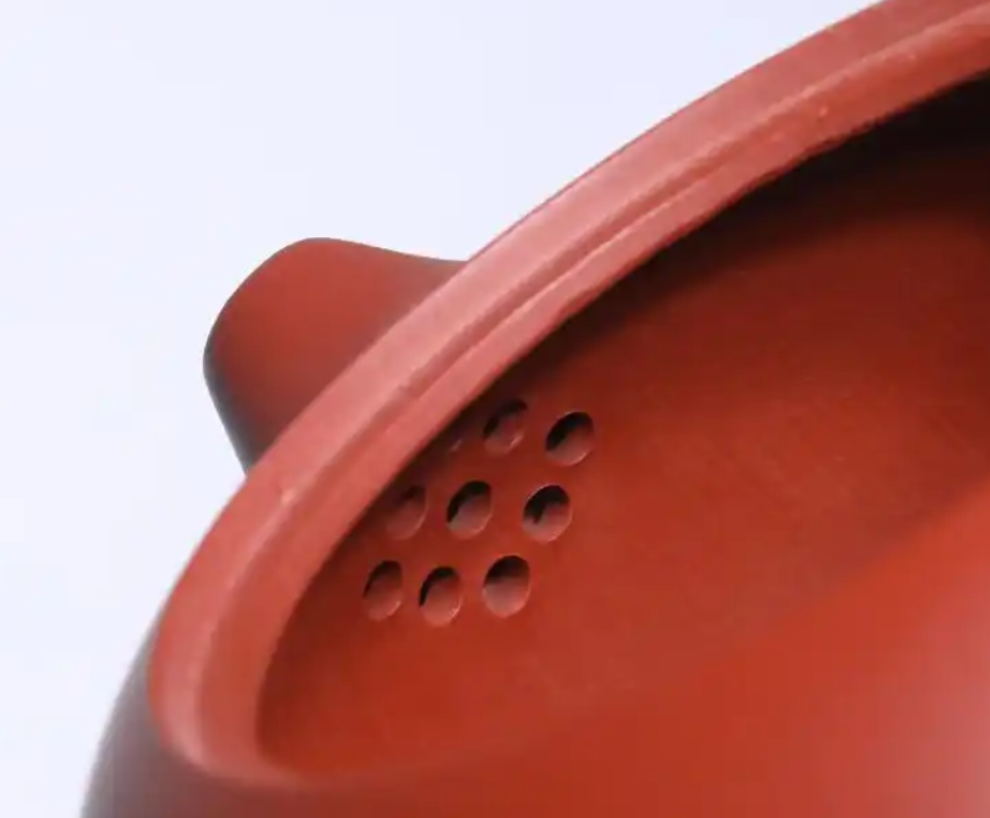
II. Iconic Shapes & Where They Shine
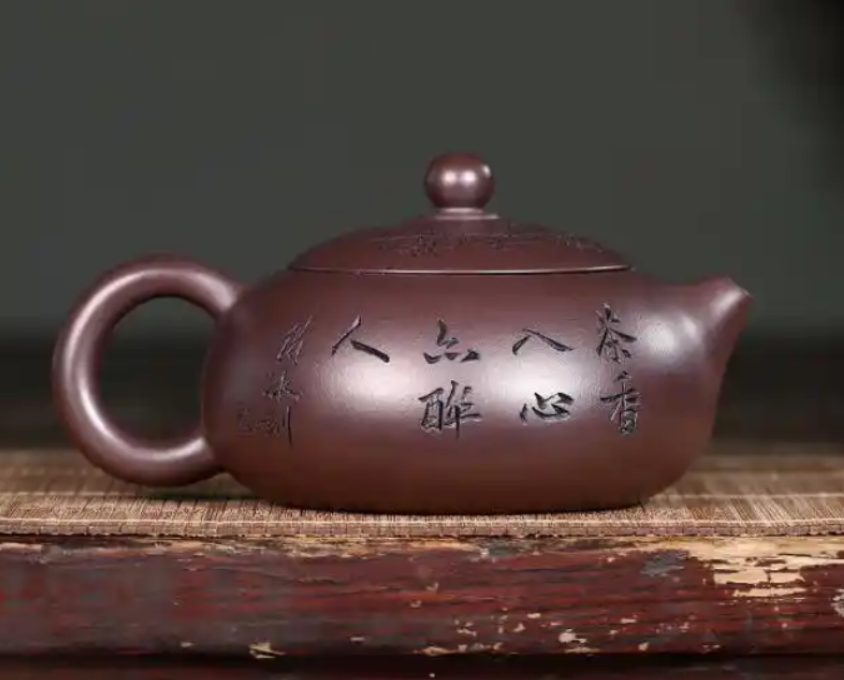
1 Xi-shi (Beauty) Pot – the beginner’s best friend
The
gold-inlaid Xi-shi uses a flush-fitting lid and shoulder line as
graceful as a court lady. 160 ml is the sweet spot for one or two
drinkers; the 45° spout arcs like falling silk, so first-timers never
splash. Brew jasmine on a weekend catch-up and the sweet aroma plus the
archaic silhouette will make your social-media grid look instantly
refined.
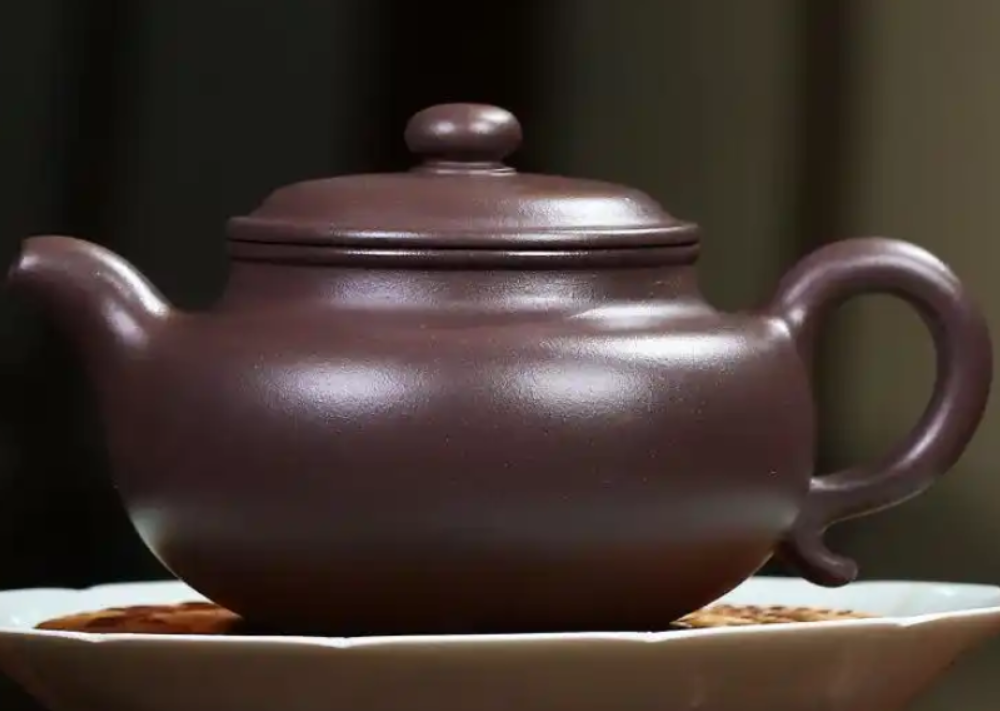
2 Archaistic (Fang-gu) Pot – the veteran’s ritual piece
This
deep-well purple-clay revival of Ming-era Gong-chun proportions holds
260 ml. The broad belly is tailor-made for aged pu-erh cakes; the flat,
press-down lid gives leaves room to unfurl. Exposed side-joints look
elegant and reinforce the body—douse it with boiling water and it stands
rock-steady.
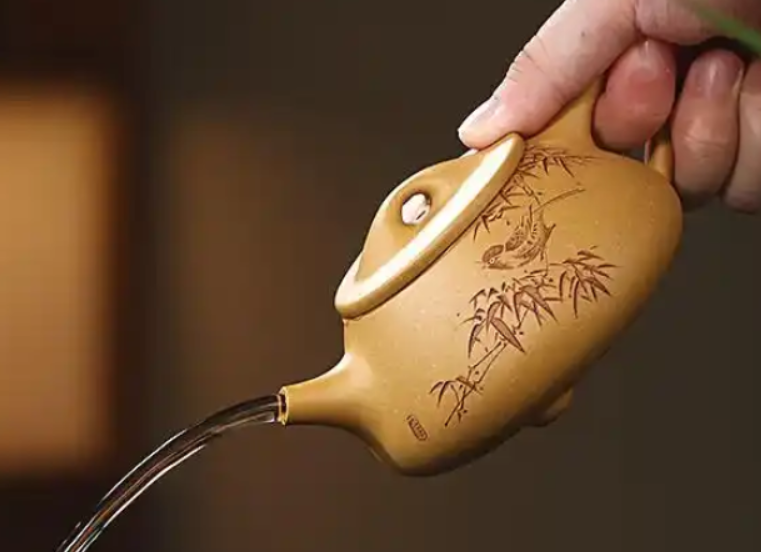
3 Stone Ladle (Shi-piao) Pot – literati spirit in clay
The冰心triangular
form hints at Zhuge Liang’s feather fan. Golden-segment clay fires into
flowing, gilded streaks. At 135 ml it is perfect for solitary rock-wool
sessions; the trapezoid body lowers the centre of gravity, making every
pour feel like guiding a writing brush. Tool-marks inside—hand
“wall-pushing and base-scraping”—are the craftsman’s quiet signature.
III. Advanced Collecting Know-how
1 Spotting authentic ore
Real
Yixing ore is matte. On the Bainian Liyong Qing-shui “Taiji Ruyi”
you’ll catch silvery mica flecks. Aim a phone torch at the clay:
top-grade purple gives a wine-like, diffused red glow; chemical slurry
throws a harsh mirror flash.
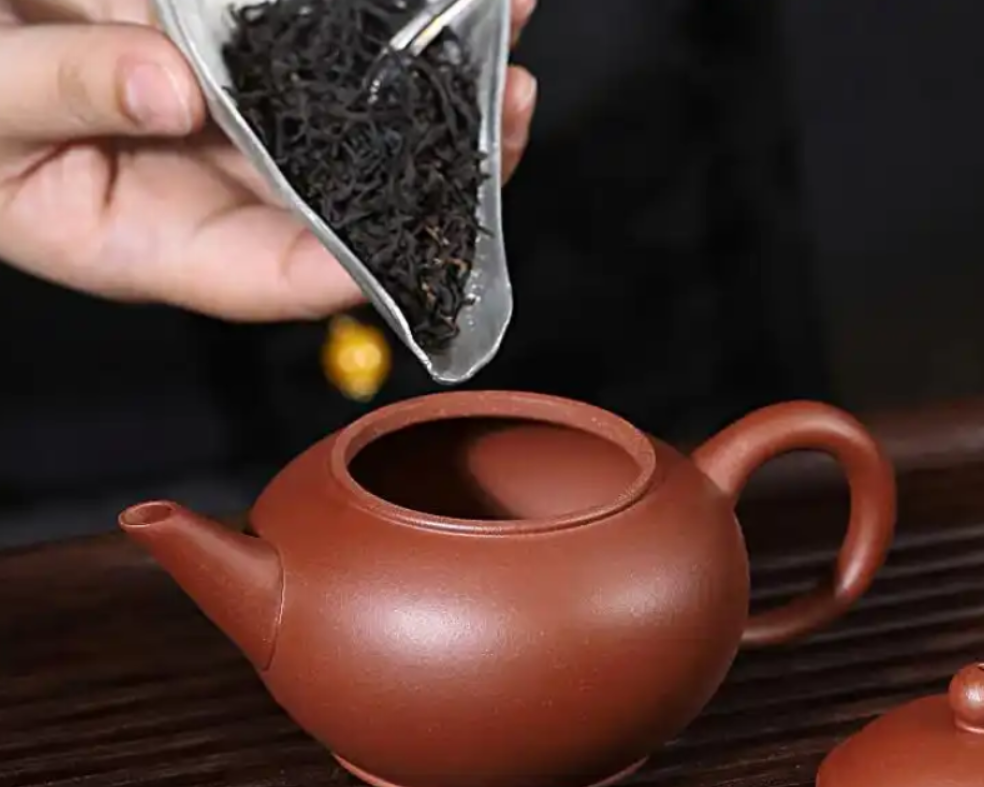
2 Raising the pot, Zen style
A Shushi vermilion-clay pot will
gradually bloom into a glassy aura—no shortcuts. After each session wipe
with a tea cloth, skip the rinse, let tea oils migrate. In three months
the surface turns matte-chocolate—a living finish no factory pot can
photocopy.
IV. What to Buy at Every Budget
1 First-job salary friendly
The
Sifang Longzun marries classic square form with ultra-minimal lines.
800-mesh sanding gives baby-skin touch. A matching phoenix-wood gift box
hides its own tea cache—take it to the office for micro-pomodoro tea
breaks and stress relief.
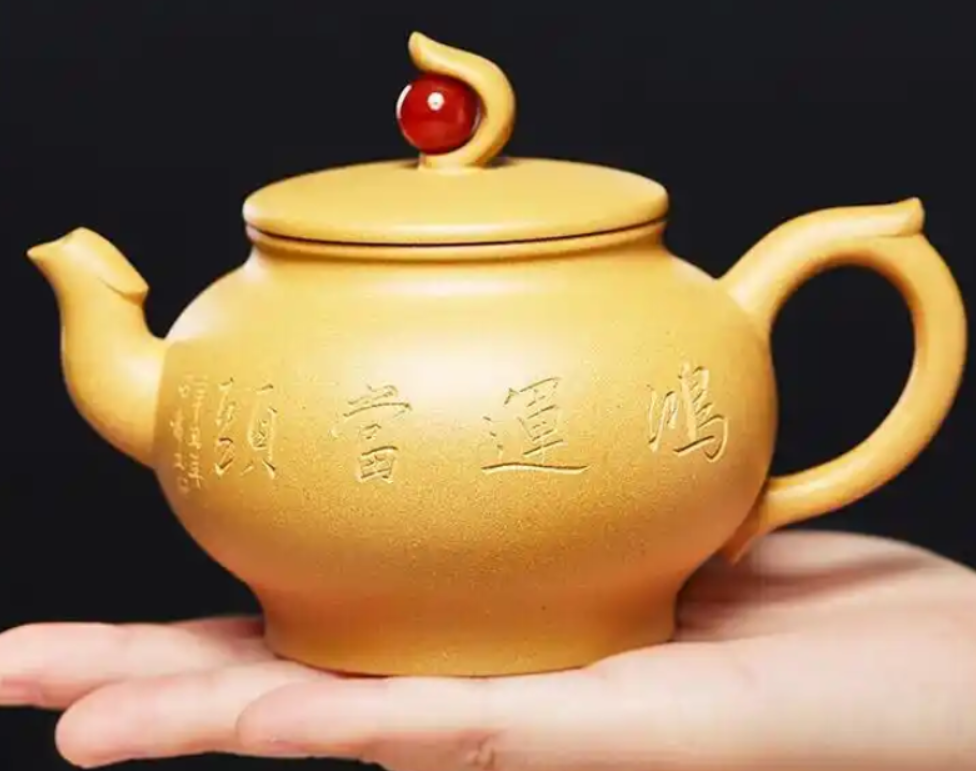
2 Seasoned sipper’s heirloom
State-level artificers shape the
“Hong-yun Dang-tou.” The knob’s persimmon-calyx cut means “everything
goes your way”; hand-engraved winding lotus takes three locked-door
days. Comes with the maker’s autograph certificate—cultural asset with
appreciation potential.
V. Daily TLC
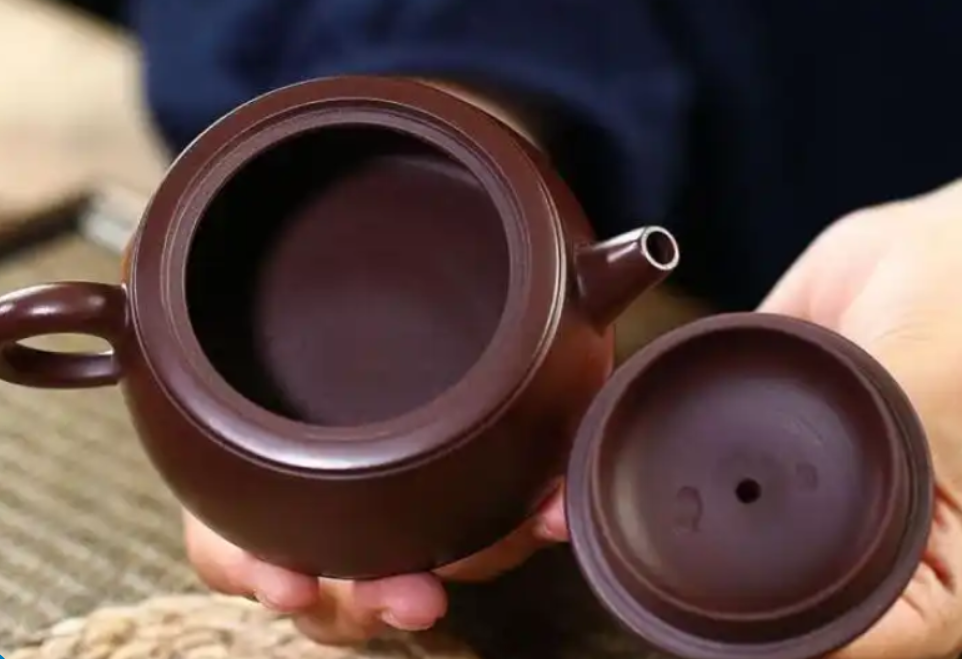
First-use ritual: simmer one hour in weak tea, then the old tofu-and-sugarcane trick for de-fire really is best.
Red flag: sub-¥100 “ghost-shift” pots often use spray-on slurry—long-term leaching of heavy metals is real.
Cleaning hack: lift stains with a melamine sponge—detergent is persona non grata.
VI. Tea-Table Styling Magic
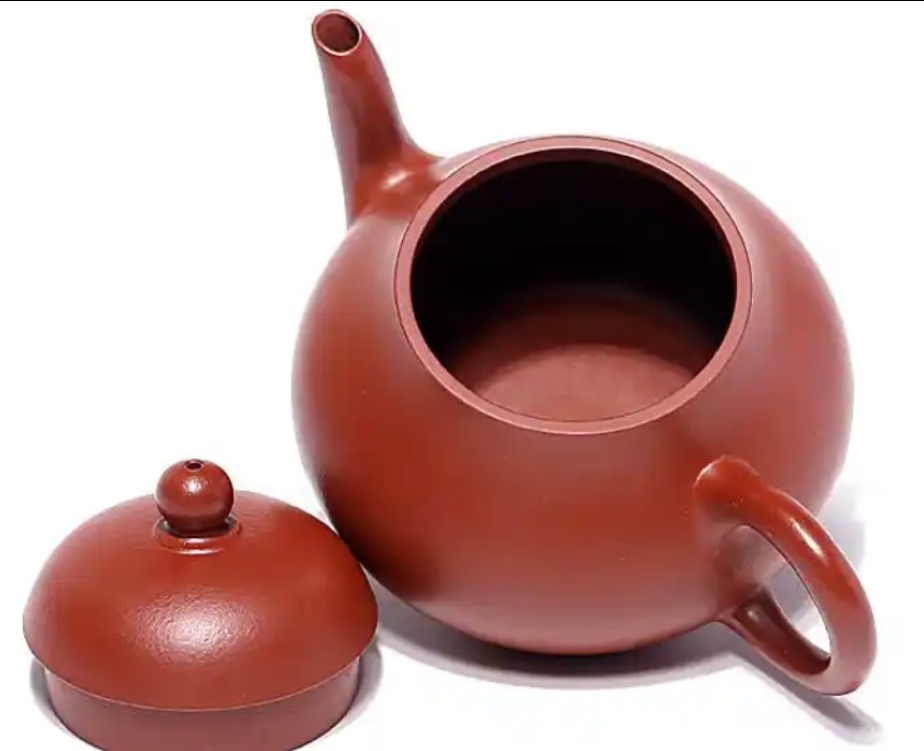
A 135 ml Jun-de pot on a hammered-tin
coaster creates shifting light-shadow play. In winter set a Bainian
Liyong vermilion pot on a rattan stand; radiant heat coaxes a faint
grass-and-wood perfume from the fibre—an all-five-senses bonus an
electric kettle will never deliver.
VII. The Emotional Thread Across Generations
A collector once
said: “A true Yixing remembers every palm that warmed it.” When dawn
light slips through the side-handle of a Cang-hu Tian-xia flattened
Xi-shi and casts a butterfly shadow on the tea board, you finally grasp
the ancient line “the vessel is the father of tea.” This is no mere
brewer; it is a textbook of living aesthetics you can bequeath to your
grandchildren.