 English
How to tell if a yixing purple clay teapot is authentic or fake
The market is flooded with a vast variety of Yixing purple clay teapots, where genuine pieces are often mixed with counterfeits. So, how can we distinguish an authentic Yixing purple clay teapot from a fake one?
The market is flooded with a vast variety of Yixing purple clay teapots, where genuine pieces are often mixed with counterfeits. So, how can we distinguish an authentic Yixing purple clay teapot from a fake one?
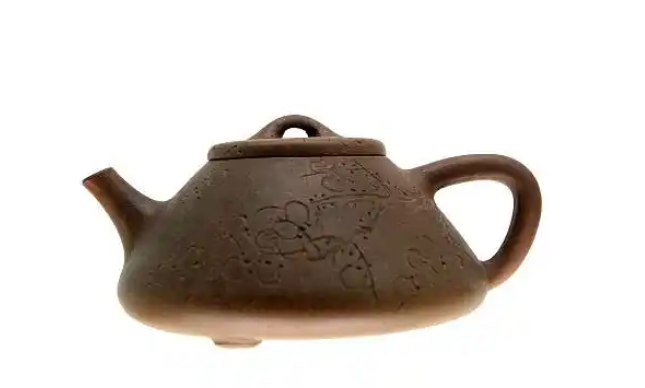
Check the Color: Opt for understated hues. Authentic Yixing purple clay teapots boast a dull, calm, and subdued color palette. Counterfeit teapots, by contrast, tend to have overly bright, vivid, and gaudy colors.
Feel the Texture: Look for a granular touch. Thanks to the high content of minerals like quartz and mica in purple clay, authentic teapots feature a unique granular structure. When touched, they feel smooth yet grainy, with a distinct sandy texture. Fake teapots, however, are slippery to the touch and may even have a plastic-like feel.
Test the Air Tightness: Ensure the lid stays in place. On genuine Yixing teapots, the spout, lid, and handle align perfectly in a straight line, creating a tight seal. When filled with water, if you press the spout and invert the teapot, the lid will not fall off, and no water will leak out. Counterfeit teapots typically have poor air tightness.
Smell the Scent: Notice the earthy aroma. Brand-new authentic Yixing teapots carry a subtle earthy smell, often referred to as the "raw clay fragrance". Teapots mixed with chemical additives, on the other hand, usually emit a pungent, unpleasant odor when first seasoned. Even after brewing tea, the liquor may retain an odd taste.
Listen to the Sound: Listen for a faint rustling noise. Due to their porous structure and excellent breathability, authentic new teapots will produce a soft rustling sound from the opening when boiling water is poured in for the first time—this is the sound of the clay absorbing moisture. Counterfeit teapots, which lack this porous structure, will make no such sound.
Observe the Water Retention: Look for a water film. Authentic Yixing teapots have a dual-pore structure. When hot boiling water is poured over the surface, the teapot will first become gradually dampened, forming a thin, even water film—a phenomenon known as "water adhesion". The clay will then slowly absorb the water. Counterfeit teapots do not exhibit this water adhesion effect.