 English
How to Choose a Quality Yixing Clay Teapot: Essential Buying Tips
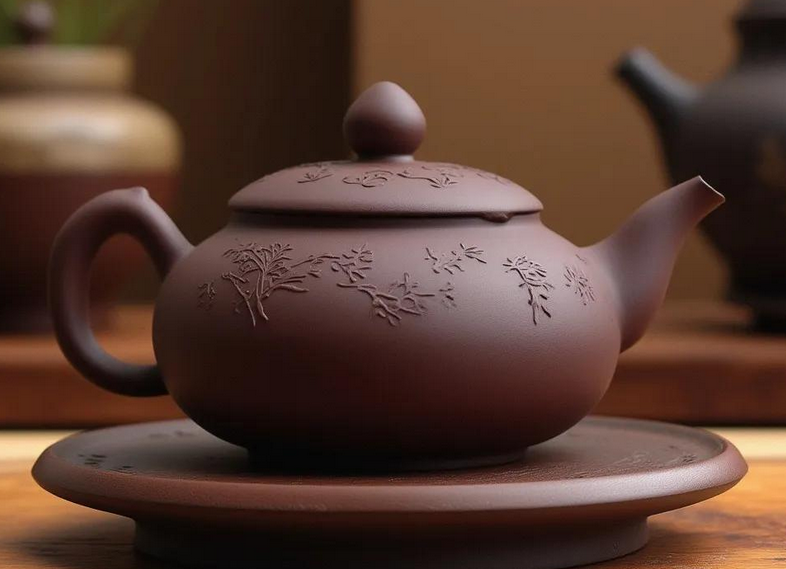
Yixing clay teapots have better heat retention than porcelain gaiwans, and they deliver superior brewing results for teas that require high-temperature steeping, such as oolong tea, black tea, and dark tea. Earthenware and porcelain differ in texture, with earthenware having the unique property of retaining residual tea aromas. For this reason, it is necessary to use separate teapots for fresh-style teas like oolong and rich, roasted-style teas. In addition, pu-erh tea has a distinct flavor profile, so it should also be brewed in a dedicated teapot. Since Yixing teapots are handcrafted items, a thorough inspection is essential before making a purchase.
Yixing clay teapots have better heat retention than porcelain gaiwans, and they deliver superior brewing results for teas that require high-temperature steeping, such as oolong tea, black tea, and dark tea. Earthenware and porcelain differ in texture, with earthenware having the unique property of retaining residual tea aromas. For this reason, it is necessary to use separate teapots for fresh-style teas like oolong and rich, roasted-style teas. In addition, pu-erh tea has a distinct flavor profile, so it should also be brewed in a dedicated teapot. Since Yixing teapots are handcrafted items, a thorough inspection is essential before making a purchase.

Rotate the lid gently: A high-quality lid should fit snugly against the pot body at every angle. Poor clay trimming during the production process can lead to gaps between the lid and the pot. It is important to carefully check in advance whether the lid sticks or jams when rotated and whether it can form a complete, tight seal with the pot.
Check the alignment of the handle and the spout: When viewing the teapot from directly above, the handle and the spout should be perfectly aligned in a straight line. This is because when pouring tea, you will need to tilt your wrist at a right angle, and the spout should face directly downward for a smooth pour.
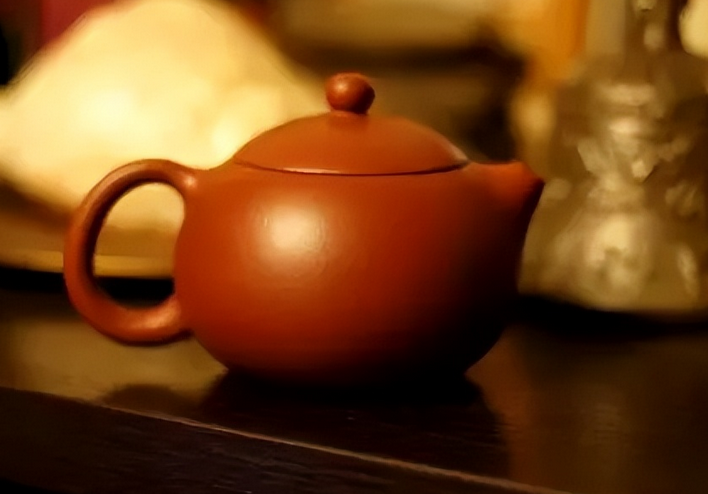
Test the lid’s flat seal: Remove the teapot lid and place it flat on a tabletop. A quality teapot will have a lid that lies completely flush without any wobbling.
Test the air vent on the lid: There is a knob in the center of the lid, and a small hole on the knob, which is the air vent. Pour hot water from the teapot and then press your finger over the air vent. A well-made teapot will stop pouring water entirely when the vent is blocked.
Lift and inspect the teapot: Choosing a teapot that feels comfortable and balanced in your hand is crucial. For an extra quality check, gently tap the lid against the pot body— the best teapots will produce a clear, metallic sound upon impact.