 English
How to Choose the Right Yixing Purple Clay Teapot for Black Tea
Black tea, with its rich, robust flavor and warm, comforting aroma, is a beloved choice among tea drinkers worldwide. From the malty Assam and fruity Darjeeling to the sweet Dianhong (Yunnan black tea) and smoky Lapsang Souchong, each type of black tea has unique characteristics that deserve to be fully expressed through proper brewing. Among the many brewing vessels available, the Yixing purple clay teapot (Zisha teapot) stands out as an exceptional choice for black tea. Its unique porous structure, heat retention, and mineral composition can enhance black tea’s sweetness, mellow its astringency, and deepen its flavor complexity. However, not all Yixing teapots are equally suited for black tea—choosing the right one requires understanding how clay type, teapot shape, size, and craftsmanship interact with the properties of black tea. In this comprehensive guide, we’ll break down the key factors to consider when selecting a Yixing purple clay teapot for black tea, helping you elevate your black tea brewing experience.
Black tea, with its rich, robust flavor and warm, comforting aroma, is a beloved choice among tea drinkers worldwide. From the malty Assam and fruity Darjeeling to the sweet Dianhong (Yunnan black tea) and smoky Lapsang Souchong, each type of black tea has unique characteristics that deserve to be fully expressed through proper brewing. Among the many brewing vessels available, the Yixing purple clay teapot (Zisha teapot) stands out as an exceptional choice for black tea. Its unique porous structure, heat retention, and mineral composition can enhance black tea’s sweetness, mellow its astringency, and deepen its flavor complexity. However, not all Yixing teapots are equally suited for black tea—choosing the right one requires understanding how clay type, teapot shape, size, and craftsmanship interact with the properties of black tea. In this comprehensive guide, we’ll break down the key factors to consider when selecting a Yixing purple clay teapot for black tea, helping you elevate your black tea brewing experience.
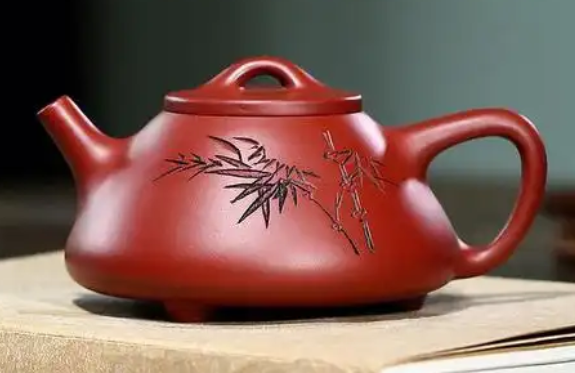
First and foremost, the clay type of the Yixing teapot is a critical factor in enhancing black tea’s flavor. Yixing purple clay primarily comes in three main varieties: Zi Ni (purple clay), Zhu Ni (cinnabar clay), and Duan Ni (fortified clay). For black tea, Zi Ni (purple clay) is the most recommended choice. Zi Ni has a moderate porosity (25–35%) and a high iron content, which allows it to selectively absorb excess astringent compounds (like over-extracted tannins) from black tea while retaining its aromatic oils and sweet amino acids. This results in a smoother, more balanced brew with amplified malty or fruity notes. Duan Ni (fortified clay), which is a blend of purple clay and other minerals, is another excellent option. It has a slightly lower porosity than Zi Ni, making it ideal for preserving the delicate fruity aromas of light-bodied black teas like Darjeeling. Zhu Ni (cinnabar clay), while prized for its heat retention, has a higher density and lower porosity, which can sometimes over-concentrate the flavor of strong black teas—making it better suited for lighter black teas or for drinkers who prefer a more intense brew.
When choosing clay for black tea, it’s also important to consider the firing temperature of the teapot. High-fired Yixing teapots (fired at 1200–1250°C) have a denser structure with smaller pores, which is ideal for preserving the delicate aromas of light-bodied black teas. Low-fired teapots (fired at 1100–1150°C) have larger pores, which are better at absorbing excess bitterness and softening the flavor of strong, full-bodied black teas like Assam or Lapsang Souchong. For example, a low-fired Zi Ni teapot will mellow the smoky intensity of Lapsang Souchong, making it more approachable, while a high-fired Duan Ni teapot will highlight the floral and fruity notes of first-flush Darjeeling.
Next, the shape of the Yixing teapot plays a significant role in extracting the best flavor from black tea. Black tea leaves, whether whole leaf or broken, require adequate space to unfurl and release their flavor compounds. Teapots with a wide, round body (such as the Fanggu, Hanwa, or Da Hong Pao shapes) are ideal for black tea, as they provide ample room for the leaves to expand and allow for even water circulation. A wide body also helps to distribute heat evenly, preventing hot spots that can scorch the tea leaves and cause bitter flavors. Additionally, teapots with a short, wide spout are preferred for black tea, as they allow for a smooth, fast pour that minimizes oxidation (which can dull the tea’s flavor). Avoid teapots with narrow bodies or long, thin spouts, as they can restrict leaf expansion and slow down pouring, leading to over-oxidation and a less flavorful brew.
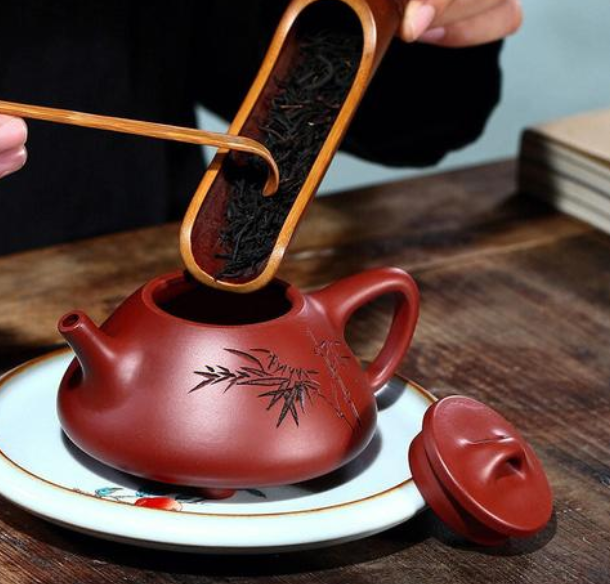
The size of the teapot should be matched to the number of drinkers and the type of black tea being brewed. For solo brewing or small gatherings (2–3 people), a medium-sized teapot (180–250cc) is ideal. This size balances heat retention and capacity, allowing you to brew enough tea for a few cups without the tea cooling down too quickly. For larger groups (4–6 people), a large teapot (250–350cc) works well, though it’s important to note that larger teapots require more precise temperature control to avoid over-extraction. When it comes to tea type, light-bodied black teas (like Darjeeling) benefit from a slightly smaller teapot (180–220cc) to concentrate their delicate flavors, while full-bodied black teas (like Assam or Dianhong) can handle a larger teapot (220–300cc) to allow for full leaf expansion. A general rule of thumb: the teapot should hold enough water to cover the tea leaves (usually 1/3 to 1/2 of the pot’s volume) with room for expansion.
Craftsmanship is another key consideration when selecting a Yixing teapot for black tea. Handcrafted teapots are preferred over machine-made ones, as they have a slightly uneven interior texture that gently agitates the tea leaves during brewing, promoting better flavor extraction. Look for teapots with a tight-fitting lid, which helps to retain heat and aroma—critical for bringing out the best in black tea. The lid should fit snugly without being too tight, allowing for a small amount of air circulation to enhance oxidation (which contributes to black tea’s rich flavor). Additionally, check the spout for any blockages or irregularities, as a smooth, unobstructed flow is essential for a good pour.
It’s also important to consider the seasoning (yang hu) potential of the teapot when brewing black tea. Yixing teapots absorb tea oils and flavor compounds over time, creating a seasoning layer that enhances future brews. For black tea, it’s best to dedicate a single teapot to one type of black tea (e.g., a separate teapot for Dianhong and another for Lapsang Souchong) to avoid flavor cross-contamination. This dedicated use allows the teapot to accumulate the unique flavor compounds of the specific black tea, amplifying its characteristics with each brew. Over time, a well-seasoned Yixing teapot will make black tea taste smoother, sweeter, and more complex—turning a simple cup of tea into a memorable experience.
When pairing Yixing teapots with specific black tea varieties, there are a few additional tips to keep in mind:
• Dianhong (Yunnan Black Tea): Pair with a low-fired Zi Ni teapot (200–250cc) with a wide body. The clay’s porosity will soften the tea’s natural sweetness and enhance its honeyed notes.
• Assam: Choose a medium-fired Zi Ni or Duan Ni teapot (220–300cc) with a wide body and short spout. This will balance the tea’s malty intensity and prevent over-extraction.
• Darjeeling: Opt for a high-fired Duan Ni teapot (180–220cc) with a compact body. The dense clay will preserve the tea’s floral and fruity aromas, avoiding any muddling of its delicate flavor.
• Lapsang Souchong: Use a low-fired Zi Ni teapot (200–250cc) with a wide body. The clay will absorb some of the smoky intensity, making the tea smoother while retaining its unique pine smoke flavor.
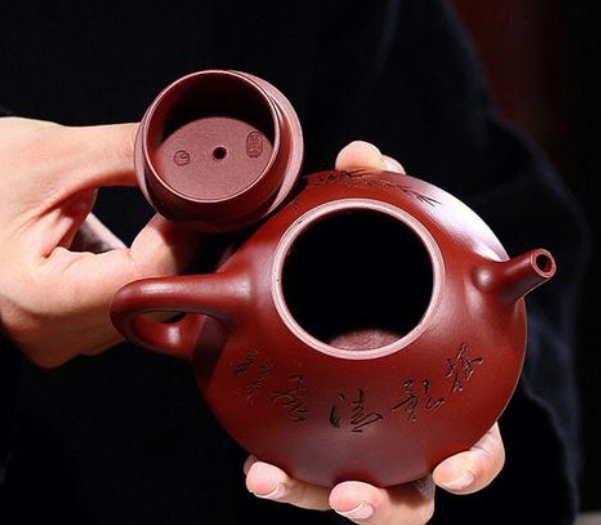
Proper care of your Yixing teapot is essential to maintain its flavor-enhancing properties for black tea. Avoid using soap or chemical cleaners, as the porous clay will absorb these substances and ruin the tea’s flavor. Instead, clean the teapot with hot water and a soft brush after each use, then air-dry it upside down with the lid off. This will prevent mold growth and preserve the seasoning layer. With consistent use and proper care, your Yixing teapot will continue to improve with age, enhancing the flavor of your black tea for years to come.
In conclusion, choosing the right Yixing purple clay teapot for black tea requires balancing clay type, firing temperature, shape, size, and craftsmanship with the specific characteristics of the black tea you’re brewing. Zi Ni and Duan Ni clays are the best choices for most black teas, with low-fired teapots ideal for full-bodied varieties and high-fired teapots suited for delicate ones. Wide, round teapots with short spouts provide the best leaf expansion and heat distribution, while medium to large sizes accommodate different group sizes. By following these guidelines, you’ll select a Yixing teapot that enhances the flavor of your black tea, turning every brew into a rich, satisfying experience.