 English
How to choose the right size yixing purple clay teapot for gongfu tea
Gongfu tea, the art of precision brewing that originated in China’s Fujian and Guangdong provinces, relies heavily on the right tools—and none is more critical than the Yixing purple clay teapot (Zisha teapot). While factors like clay type, craftsmanship, and shape often take the spotlight, the size of the teapot is equally vital to mastering the perfect Gongfu brew. Choosing the wrong size can lead to over-extraction (bitter tea), under-extraction (weak flavor), or a disjointed tea ritual that fails to highlight the tea’s unique characteristics. In this comprehensive guide, we’ll break down the key considerations for selecting the right size Yixing purple clay teapot for Gongfu tea, from understanding capacity measurements to matching size with tea type, number of drinkers, and your personal brewing style.
Gongfu tea, the art of precision brewing that originated in China’s Fujian and Guangdong provinces, relies heavily on the right tools—and none is more critical than the Yixing purple clay teapot (Zisha teapot). While factors like clay type, craftsmanship, and shape often take the spotlight, the size of the teapot is equally vital to mastering the perfect Gongfu brew. Choosing the wrong size can lead to over-extraction (bitter tea), under-extraction (weak flavor), or a disjointed tea ritual that fails to highlight the tea’s unique characteristics. In this comprehensive guide, we’ll break down the key considerations for selecting the right size Yixing purple clay teapot for Gongfu tea, from understanding capacity measurements to matching size with tea type, number of drinkers, and your personal brewing style.
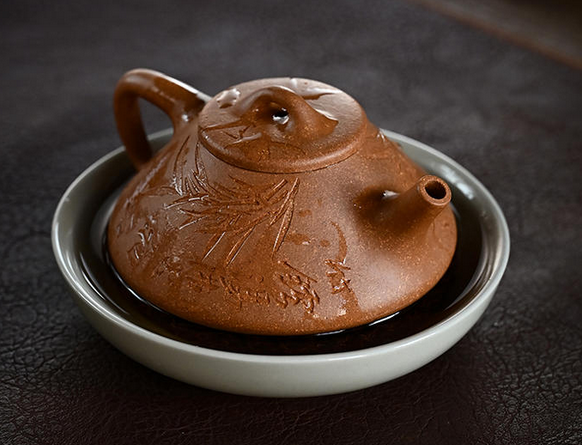
First, it’s essential to clarify how Yixing teapot sizes are measured. Unlike many Western teapots, which use fluid ounces, Yixing purple clay teapots are typically sized by cubic centimeters (cc), referring to the total volume of the pot (including the space occupied by tea leaves). A general rule of thumb for Gongfu tea: the teapot’s capacity should align with the amount of tea you need to brew at once, with a little extra space for tea leaves to unfurl. For Gongfu brewing, tea leaves are usually packed loosely to about 1/3 to 1/2 of the pot’s volume—so a 150cc pot, for example, can comfortably hold 50–75cc of tea leaves and 75–100cc of water, producing enough tea for 2–3 small Gongfu cups (each around 30–40cc). Understanding this ratio is the foundation of choosing the right size, as it ensures that the tea leaves have adequate room to release their flavor compounds without being cramped or over-diluted.
The number of people you’re brewing for is the most straightforward factor in determining teapot size. For solo Gongfu sessions or intimate two-person gatherings, a small teapot (100–180cc) is ideal. Small teapots heat up quickly and retain heat evenly, which is perfect for the short infusion times (10–30 seconds) typical of Gongfu brewing. A 120–150cc teapot, for instance, produces 2–3 servings per brew, allowing you to savor the tea’s evolving flavors through multiple infusions without the tea cooling down too fast. For small groups of 3–5 people, a medium-sized teapot (180–250cc) is a better fit. This size balances capacity and heat retention, producing enough tea for 4–6 small cups while still maintaining the precise temperature control needed for Gongfu brewing. Larger groups (6+ people) may require a large teapot (250–350cc), but it’s important to note that larger Yixing teapots are less common for traditional Gongfu tea—many enthusiasts prefer using multiple small teapots instead, as large pots can struggle to maintain consistent heat and may lead to uneven extraction if the tea sits too long before serving.
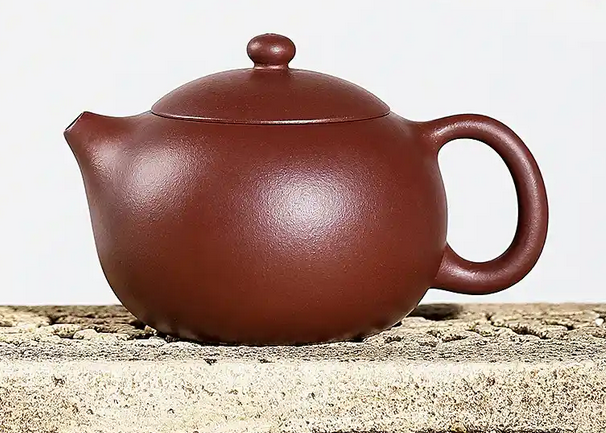
Next, consider the type of tea you’ll be brewing—different teas have distinct characteristics that demand specific teapot sizes. For delicate, high-aroma teas like green tea (Longjing, Biluochun), white tea (Baihao Yinzhen, Shoumei), or light oolongs (Alishan High Mountain Oolong), a small teapot (100–150cc) is preferred. These teas have subtle flavor profiles that can be easily overpowered by a large pot, and their delicate leaves require gentle, short infusions that small teapots facilitate. The compact size also minimizes the tea’s exposure to air, preserving its fresh, floral notes. For semi-fermented teas like medium-roast oolongs (Tieguanyin, Da Hong Pao) or lightly aged pu-erh, a medium teapot (150–220cc) works well. These teas have more robust flavors that benefit from a slightly larger brewing space, allowing the leaves to unfurl fully and release their complex aromas and textures. For heavily fermented teas like dark pu-erh (shou pu-erh) or strong black teas (Dianhong, Lapsang Souchong), a medium to large teapot (200–300cc) can be used. These teas have bold flavors that stand up to larger volumes, and their longer infusion times (30–60 seconds) are better managed in a pot that retains heat consistently without scorching the tea.
Your brewing style and experience level also play a role in size selection. If you’re new to Gongfu tea, starting with a small to medium teapot (120–200cc) is recommended. Smaller pots are more forgiving of minor mistakes in infusion time or water temperature, as the small volume means that over-extraction (a common beginner error) is less likely to ruin the entire brew. They also allow you to practice the rhythm of Gongfu brewing—pouring, infusing, and serving—without feeling rushed. Experienced Gongfu enthusiasts may prefer smaller teapots (100–150cc) for the ultimate control over flavor, as they can fine-tune each infusion to highlight the tea’s nuances. For those who prefer longer infusion times or like to let the tea "breathe" a bit more, a slightly larger medium pot (200–220cc) offers more flexibility without sacrificing the precision of Gongfu brewing.
Another often-overlooked factor is the shape of the teapot, which interacts with size to impact brewing performance. For example, a small, round Yixing teapot (like a Xiaoying or Qinquan) has a compact interior that circulates water evenly, making it ideal for tightly rolled oolong leaves that need to unfurl. A medium, tall teapot (like a Pan Hu or Hanwa) has a larger vertical space, which is good for longer tea leaves (like white tea) that need more room to expand. When choosing size, pair it with a shape that complements your tea type—small round pots for rolled leaves, medium tall pots for long leaves—to maximize flavor extraction.
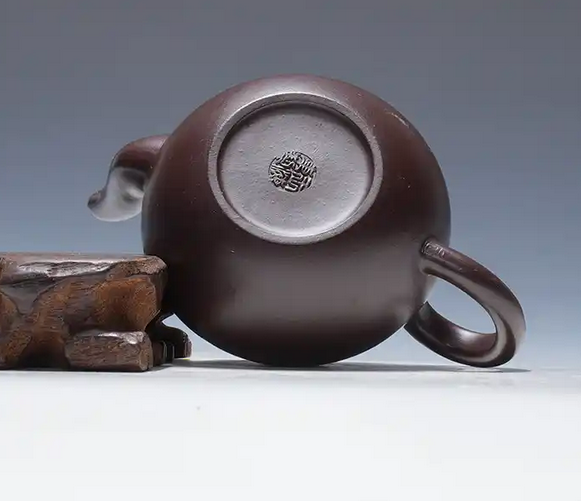
It’s also important to avoid common size-related mistakes in Gongfu tea. One of the biggest errors is choosing a teapot that’s too large for your needs. A large teapot (300cc+) may seem practical for groups, but it heats up more slowly, retains heat less evenly, and can cause the tea to cool down before serving—all of which undermine the essence of Gongfu tea’s precision. Conversely, a teapot that’s too small for a group can lead to constant rebrewing, disrupting the flow of the tea ritual. Another mistake is ignoring the ratio of teapot size to cup size: ensure that your teapot’s capacity matches the number of small Gongfu cups you have (each ~30–40cc) to avoid having leftover tea that goes to waste or is served cold.
For collectors or enthusiasts looking to build a versatile Yixing teapot collection for Gongfu tea, it’s wise to invest in a range of sizes. A small 120cc pot for solo sessions and delicate teas, a medium 200cc pot for small groups and medium oolongs/pu-erhs, and a larger 280cc pot for special occasions with more guests will cover most Gongfu brewing scenarios. This allows you to adapt to different teas and gatherings while maintaining the quality of your brew.
In conclusion, choosing the right size Yixing purple clay teapot for Gongfu tea requires balancing the number of drinkers, tea type, brewing style, and teapot shape. Small teapots (100–180cc) are ideal for solo/duo sessions and delicate teas, medium teapots (180–250cc) work for small groups and medium-bodied teas, and large teapots (250–350cc) are suited for larger gatherings and bold teas. By focusing on the ratio of tea leaves to water, heat retention, and flavor preservation, you’ll select a teapot size that enhances your Gongfu tea ritual and allows you to fully appreciate the complexity of your favorite loose leaf teas.