 English
Difference between yixing purple clay teapots and other clay teapots
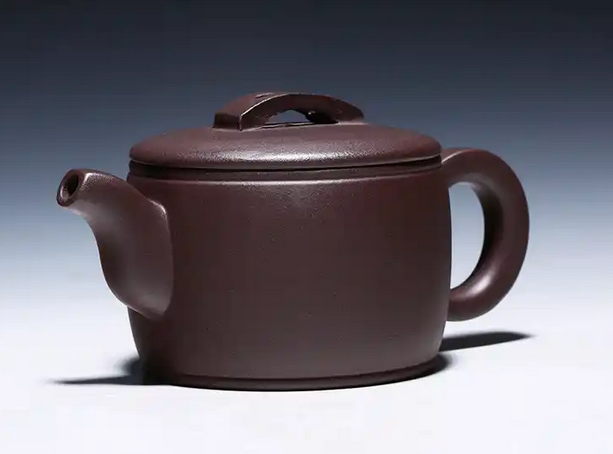
When it comes to choosing a clay teapot for brewing loose leaf tea, the options can be overwhelming—from Yixing purple clay (Zisha) to stoneware, earthenware, porcelain clay, and even Japanese Tokoname clay. While all clay teapots share the basic function of brewing tea, Yixing purple clay teapots stand out as a beloved choice among tea connoisseurs worldwide. The difference between Yixing purple clay teapots and other clay teapots isn’t just a matter of aesthetics or tradition; it lies in fundamental differences in material composition, structural properties, craftsmanship, and ultimately, the impact on tea flavor. In this comprehensive guide, we’ll break down these key differences, helping you understand why Yixing purple clay teapots are regarded as the gold standard for tea brewing and how they compare to other popular clay alternatives.
When it comes to choosing a clay teapot for brewing loose leaf tea, the options can be overwhelming—from Yixing purple clay (Zisha) to stoneware, earthenware, porcelain clay, and even Japanese Tokoname clay. While all clay teapots share the basic function of brewing tea, Yixing purple clay teapots stand out as a beloved choice among tea connoisseurs worldwide. The difference between Yixing purple clay teapots and other clay teapots isn’t just a matter of aesthetics or tradition; it lies in fundamental differences in material composition, structural properties, craftsmanship, and ultimately, the impact on tea flavor. In this comprehensive guide, we’ll break down these key differences, helping you understand why Yixing purple clay teapots are regarded as the gold standard for tea brewing and how they compare to other popular clay alternatives.
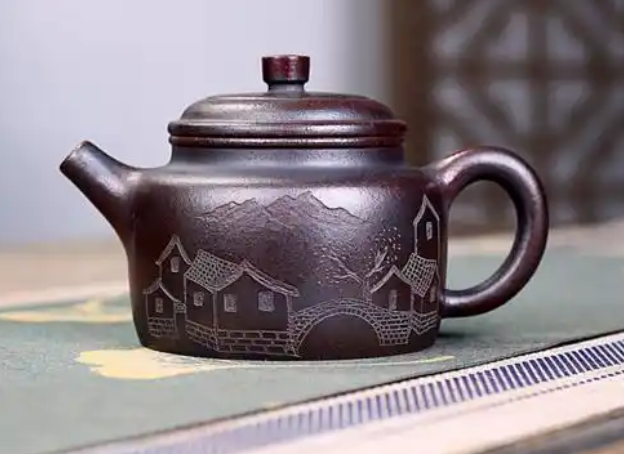
The first and most defining difference is the origin and uniqueness of the clay. Yixing purple clay, also known as Zisha clay, is sourced exclusively from Huanglong Mountain in Yixing, Jiangsu Province, China—a region with over 2,000 years of teapot-making history. This clay is a natural mineral aggregate composed of quartz, mica, hematite (iron oxide), and kaolin, with a unique mineral ratio that cannot be replicated elsewhere. What makes it truly special is its high iron content (between 8% and 12%), which gives it its distinctive purple-brown hue and contributes to many of its flavor-enhancing properties. In contrast, other clay teapots use more common clay varieties: stoneware clay is widely available globally and often mixed with additives to improve durability; earthenware clay is low-fired and porous but lacks the mineral complexity of Zisha; Japanese Tokoname clay, while high-quality, is sourced from Aichi Prefecture and has a different mineral composition (lower iron content, higher silica) that affects its brewing characteristics. Even other Chinese clay teapots, such as those from Dehua (porcelain clay) or Jingdezhen (kaolin clay), use clay that is either too dense (porcelain) or too porous (ordinary earthenware) to match the balanced properties of Yixing purple clay.
Another critical difference is the microscopic double-pore structure of Yixing purple clay—a feature that no other clay teapot material possesses. When fired at high temperatures (1100°C to 1250°C), Yixing purple clay forms a network of both open and closed pores. Open pores (1–50μm) allow for air circulation and liquid absorption, while closed pores (<1μm) act as tiny storage chambers for flavor compounds. This dual structure enables the clay to selectively absorb bitter and astringent compounds from tea (like excess polyphenols and caffeine) while retaining aromatic oils and sweet amino acids. Over time, these pores accumulate tea oils, creating a "seasoning" effect (known as yang hu) that enhances the flavor of subsequent brews. In contrast, other clay teapots have a single-pore structure: earthenware is highly porous (open pores only), which leads to over-absorption of flavor compounds and rapid deterioration of tea taste; stoneware is dense with few pores, offering little to no flavor absorption or seasoning; Tokoname clay has a porous structure but lacks the closed pores needed for selective absorption, meaning it can’t smooth out bitter teas or enhance aroma in the same way. Porcelain clay, while non-porous, offers no flavor interaction at all, serving only as a neutral vessel.
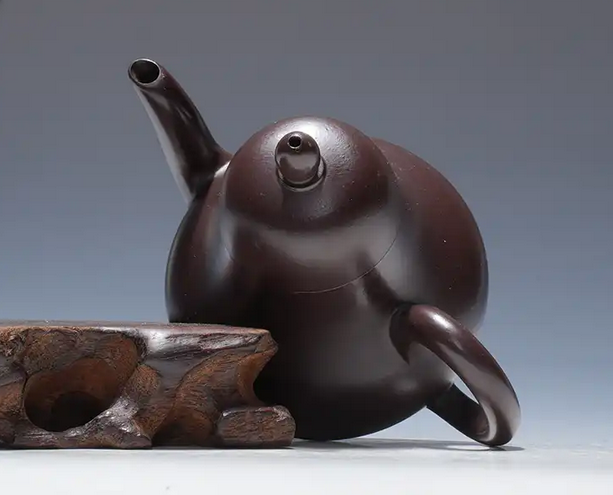
The heat retention and distribution capabilities of Yixing purple clay teapots also set them apart from other clay alternatives. Thanks to their dense mineral composition and thick walls, Yixing teapots have excellent heat retention—they retain heat up to 15% longer than stoneware or Tokoname clay teapots. More importantly, they distribute heat evenly throughout the pot, creating a stable brewing environment that is critical for extracting the full flavor of loose leaf tea. Tightly rolled teas like oolong or compressed teas like pu-erh require consistent heat to unfurl and release their flavor compounds gradually; Yixing teapots excel at this, preventing sudden temperature drops that can lead to under-extraction. In comparison, earthenware teapots lose heat quickly, resulting in uneven brewing; stoneware retains heat well but can have hot spots (areas where heat concentrates) that scorch tea leaves; Tokoname clay teapots have good heat retention but are often thinner-walled, leading to faster heat loss than Yixing. Porcelain, with its low heat retention, is only suitable for delicate teas that require lower temperatures, as it can’t maintain the consistent heat needed for fermented or semi-fermented teas.
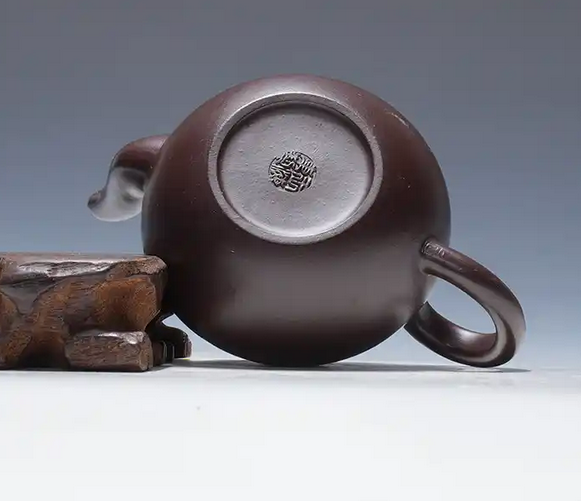
Craftsmanship is another area where Yixing purple clay teapots differ significantly from other clay teapots. Yixing teapot making is a UNESCO-recognized intangible cultural heritage, with master craftsmen using traditional hand-kneading, hand-beating, and hand-shaping techniques passed down through generations. Unlike machine-made or mold-cast teapots (common in stoneware and earthenware production), handcrafted Yixing teapots have a slightly uneven interior texture that gently agitates tea leaves during brewing, promoting better leaf-water contact. The spouts and handles are also meticulously designed for optimal water flow—smooth, unobstructed pouring that minimizes oxidation and preserves aromatic compounds. Other clay teapots, while some may be handcrafted, often lack the same level of precision: Tokoname teapots are well-made but prioritize functional simplicity over the intricate details of Yixing craftsmanship; earthenware teapots are often mass-produced for affordability, with inconsistent shapes and poor water flow; stoneware teapots may use molds for uniformity, resulting in a smooth interior that doesn’t aid in flavor extraction. Additionally, Yixing teapots are typically unglazed, allowing the clay to interact directly with tea, while many other clay teapots are glazed (to reduce porosity or improve aesthetics), which creates a barrier between the clay and tea, eliminating any flavor-enhancing interactions.
The impact on tea flavor and brewing versatility is the ultimate difference that matters to tea lovers. Yixing purple clay teapots are celebrated for their ability to soften bitter teas, amplify aroma, and deepen flavor complexity—making them ideal for a wide range of teas, including oolong, pu-erh, black tea, and even delicate green teas (when paired with a high-fired Yixing pot). Their seasoning ability means that dedicated use with one tea type enhances that tea’s unique characteristics over time. Other clay teapots have more limited versatility: earthenware is best for strong, bold teas (like black tea) but can overpower delicate flavors; stoneware is neutral but offers no flavor enhancement, making it a basic choice for casual brewing; Tokoname clay is well-suited for Japanese teas (like sencha or hojicha) but doesn’t perform as well with Chinese fermented teas; porcelain is neutral and best for showcasing the subtle flavors of green or white tea but can’t soften or enhance bolder teas. For example, brewing aged pu-erh in a Yixing teapot reduces storage odors by up to 30% and enhances earthy sweetness, while the same tea brewed in a stoneware teapot retains more bitterness and less depth.
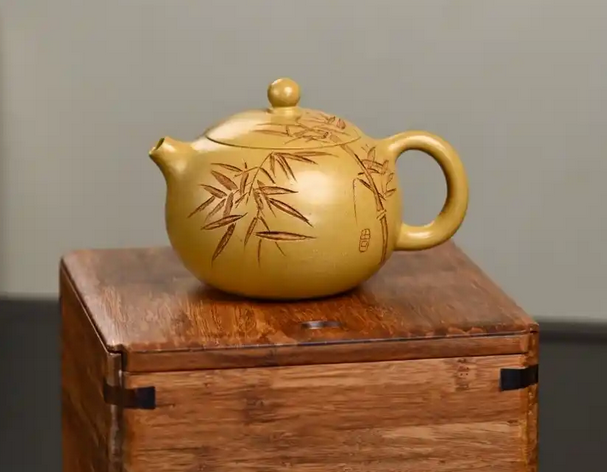
Longevity and collectibility are also key differences. A well-cared-for Yixing purple clay teapot can last for decades, even generations, with its flavor-enhancing abilities improving over time as it seasons. These teapots are often collected not just for their functionality but also for their artistic value—each handcrafted piece is unique, with variations in clay color, shape, and detail. Other clay teapots have a shorter lifespan: earthenware is fragile and prone to cracking if not handled carefully; stoneware is durable but doesn’t appreciate in value or improve with age; Tokoname teapots are durable but lack the collectible appeal of Yixing, as they are often produced in larger quantities. Porcelain teapots are durable but are primarily functional, with little artistic or collectible value compared to handcrafted Yixing pieces.
Proper care and maintenance also differ between Yixing purple clay teapots and other clay teapots. Yixing teapots require gentle care—they should never be cleaned with soap or chemical cleaners, as the porous clay will absorb these substances and ruin the tea’s flavor. Instead, they are cleaned with hot water and a soft brush, then air-dried upside down. Other clay teapots are more low-maintenance: glazed stoneware and porcelain can be washed with mild soap; earthenware may require hand-washing but is less sensitive to cleaners. However, this difference is a small trade-off for the flavor benefits that Yixing teapots offer—tea enthusiasts view the care of a Yixing teapot as part of the tea ritual, not a chore.
In conclusion, the difference between Yixing purple clay teapots and other clay teapots boils down to unique clay composition, a one-of-a-kind double-pore structure, superior heat retention, traditional craftsmanship, versatile flavor enhancement, and long-term collectibility. While other clay teapots have their place in casual brewing or specific tea styles, Yixing purple clay teapots stand out as a tool that elevates the tea-brewing experience, blending science, art, and tradition. Whether you’re a casual tea drinker looking to improve your daily brew or a serious collector seeking a heirloom-quality piece, understanding these differences will help you make an informed choice that aligns with your tea preferences.